
This article originally appeared on The Trek, which you can read here.
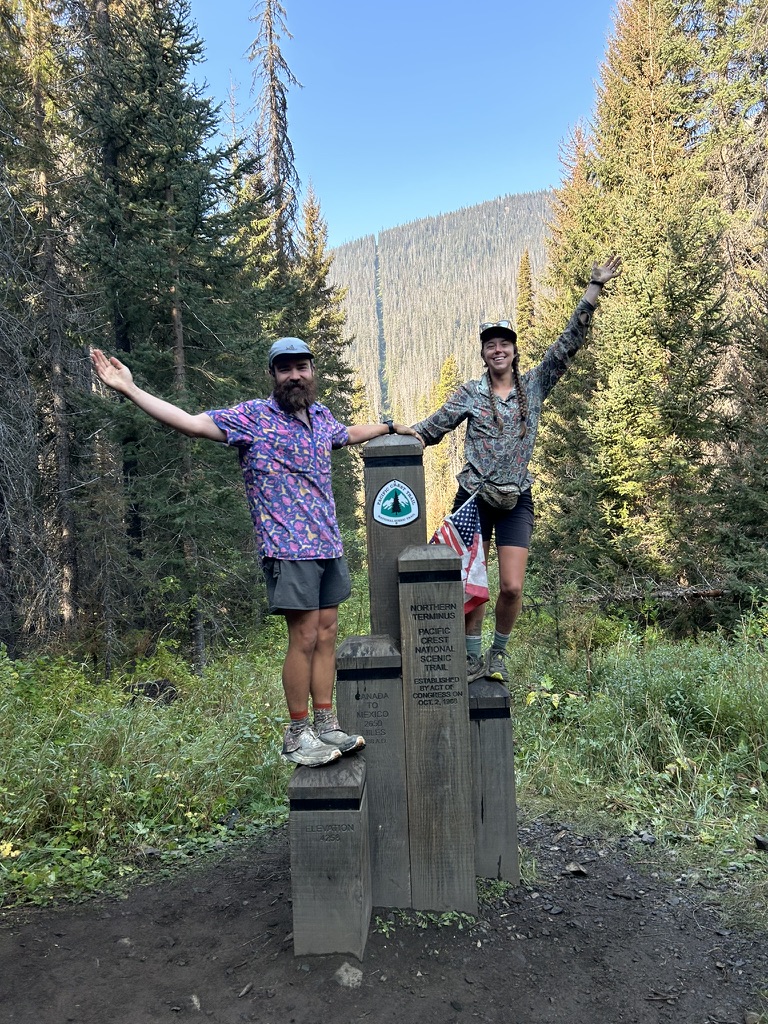
For years, my husband and I knew we would eventually hike the Pacific Crest Trail. We met while thru-hiking the Appalachian Trail in 2021, and after summiting Katahdin, we knew we wanted to build a life that allowed us to keep hiking together. We moved to Tennessee to become backpacking guides and started saving for our next big adventure.
Over the next few years, we tackled shorter trails and worked seasonal jobs that gave us time to hike without completely blowing up our lives. After our honeymoon hike along the West Highland Way in 2024, we were ready for another multi-month adventure.
That meant walking away from life as we knew it, and having enough money in the bank to make it possible. We spent the months leading up to our 2025 PCT thru-hike feverishly saving every penny and building a nest egg to fund six months of walking from Mexico to Canada.
The old rule of thumb is to budget roughly $1,000 per person for every month you plan to spend on trail. For the two of us, that meant saving approximately $12,000 for our six-month hike.
But that figure only accounts for the time actually spent on trail. It doesn’t include gear purchased before the hike, expenses that continue at home, or the inevitable unexpected costs that come with spending half a year on foot.
What’s more, recent survey data suggests that modern thru-hikes are significantly more expensive, with the average cost of a PCT hike in Halfway Anywhere’s 2025 PCT Thru-Hiker Survey sitting at nearly $10,400.
So I wanted to find out: Is it still possible to thru-hike for $1,000 per month? After spending nearly six months on the PCT, I finally had the answer.
Background Data
Before diving into the dollars, it helps to understand how we spent our time on the trail.
- Days on trail: 159
- Nights camping: 136
- Nights in a bed: 23
- Total zeros: 27
As you might expect, we spent considerably more money on the days we weren’t hiking. Town is where a thru-hiker’s wallet really starts to feel the miles. A simple resupply can turn into lunch, a brewery stop, a motel room, laundry, and an ice cream cone before you know it. Because we took 27 zeros, we had plenty of opportunities to spend money in town.
Overall Breakdown
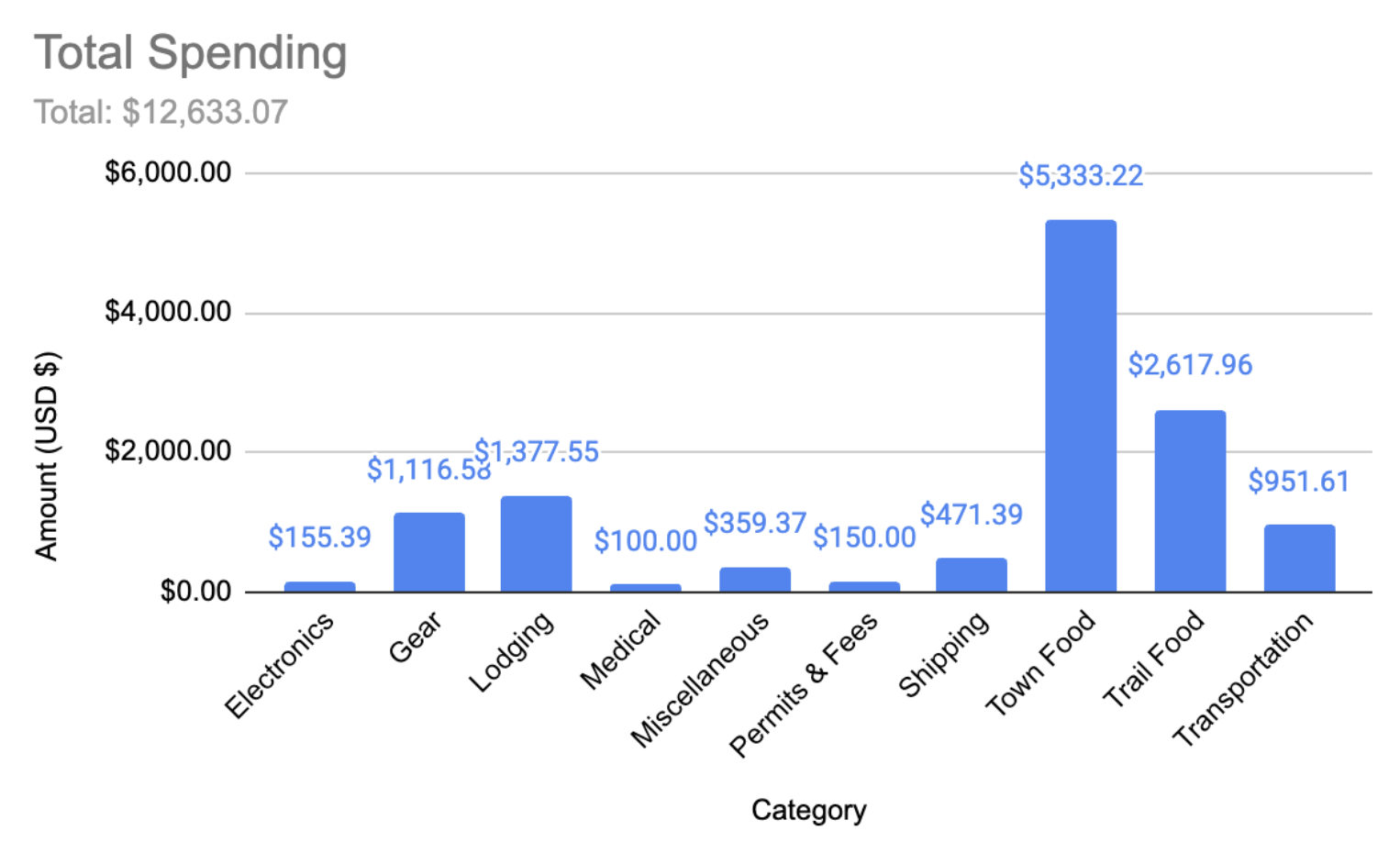
Total spent on trail: $12,633.07
- Most expensive category: Town Food — $5,333.22
- Least expensive category: Medical — $100
- Most surprising splurge: A three-night motel stay for our “Bender in Bend” — $399.48 total
That puts our spending at about $2,105 per month for the two of us, or roughly $1,052 per person per month. So, at least for us, the old $1,000-per-person-per-month rule was surprisingly close.
How We Tracked Our Spending
We used three primary payment methods during our hike. Most purchases went on my credit card, with occasional expenses charged to my husband’s card. We wanted the flexibility of using credit cards but were committed to paying them off each month so we wouldn’t accrue interest.
We kept our hiking funds in a savings account and transferred money over as needed. When we needed cash, we used our debit cards to make withdrawals. We didn’t use cash very often, but it was nice to have on hand.
I didn’t meticulously track every purchase while hiking. Instead, I went back through our credit card and debit card statements after the trail and tried to reconstruct our spending as accurately as possible. We also split expenses with our tramily throughout the hike, so I accounted for Venmo transactions whenever I could.
In other words, this isn’t a perfectly precise accounting of every dollar we spent. After combing through our statements a year after the hike, this is the most accurate picture I could put together. Math nerds and financial gurus may track every purchase as they hike, but we did not.
Keep reading for a detailed breakdown of our spending, or jump ahead to my tips for budgeting for a thru-hike.
Spending by Category
Town Food
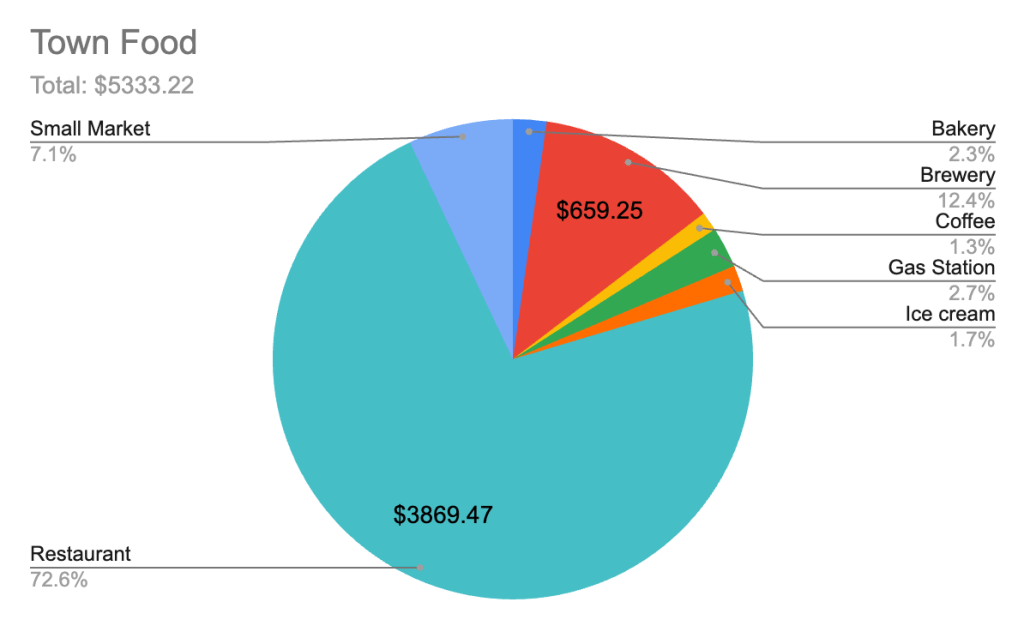
Total: $5,333.22
- Restaurant: $3,869.47
- Brewery: $659.25
- Small Market: $376.24
- Gas Station: $146.43
- Bakery: $120.46
- Ice Cream: $92.78
- Coffee: $68.59
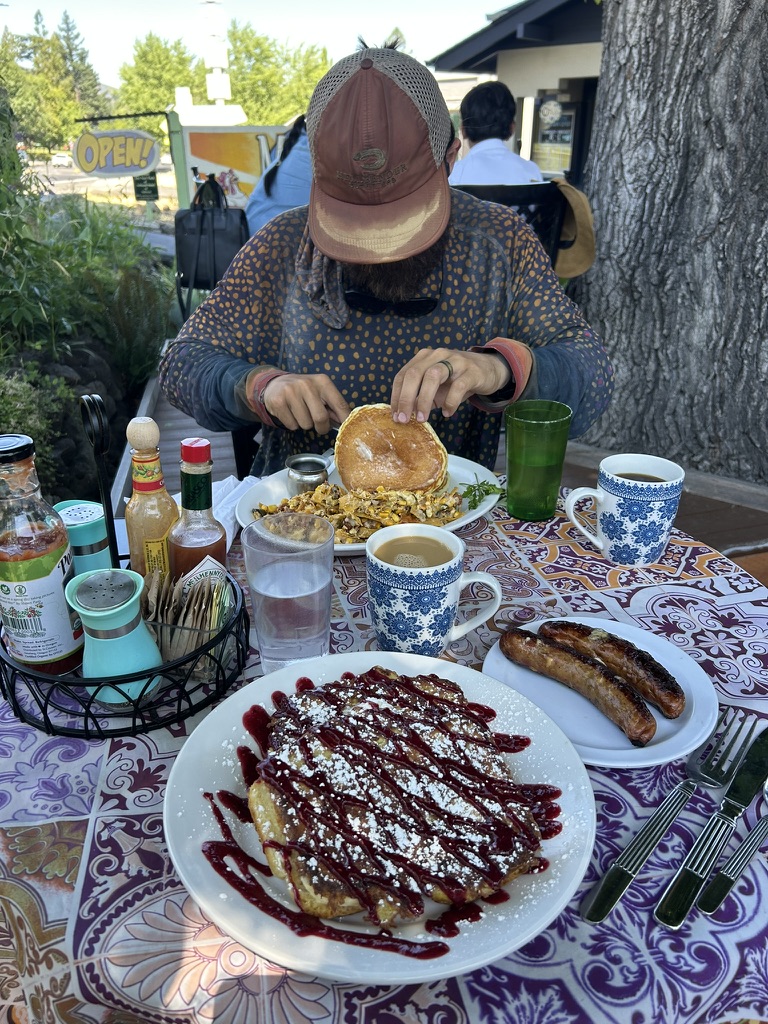
One of the most rewarding parts of thru-hiking is arriving in town and eating your fill. I’m not surprised that food was our biggest expense, but I was still blown away by the final number.
Almost half of our on-trail spending went toward eating in town.
Most of that money went to restaurants and breweries, but the smaller purchases added up, too (to more than $1,100!). Coffee here, ice cream there, a bakery stop before getting back on trail; it doesn’t take long for those little treats to become a significant line item.
When we were in town, most of our meals came from restaurants. We cooked at Airbnbs a handful of times with our tramily, but dining out was our norm. If you’re trying to save money on a thru-hike, one of the easiest things you can do is spend less time in town.
Trail Food
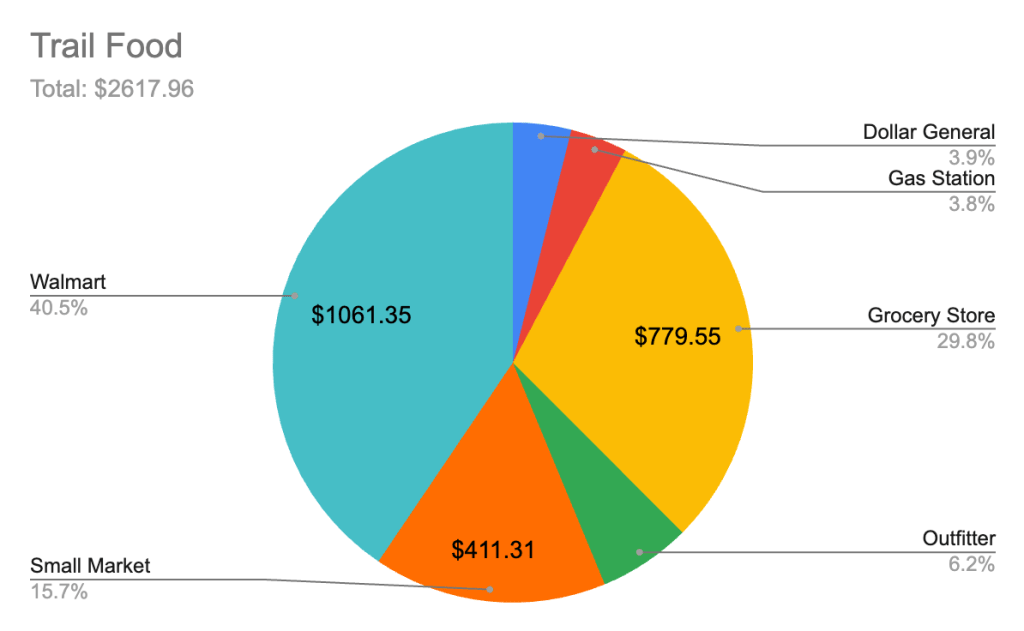
Total: $2,617.96
- Walmart: $1,061.35
- Grocery Store: $779.55
- Small Market: $411.31
- Outfitter: $162.94
- Dollar General: $102.70
- Gas Station: $100.11
For two hikers with ravenous hiker hunger, I expected our trail food total to be much higher. This was one of the more surprising takeaways from our spending. We also had three or four boxes of food mailed to us from home that aren’t included in this total. Even accounting for those, our total would still have been less than $3,000 for the both of us.
Thru-hiking can sound incredibly expensive, but when you compare the cost of feeding yourself on trail with the cost of feeding yourself at home for five or six months, the difference isn’t necessarily as dramatic as you might expect.
For future PCT hikers, it’s worth looking at your resupply strategy before you hit the trail. Buying in bulk when you have the opportunity can save a surprising amount of money, especially before remote sections.
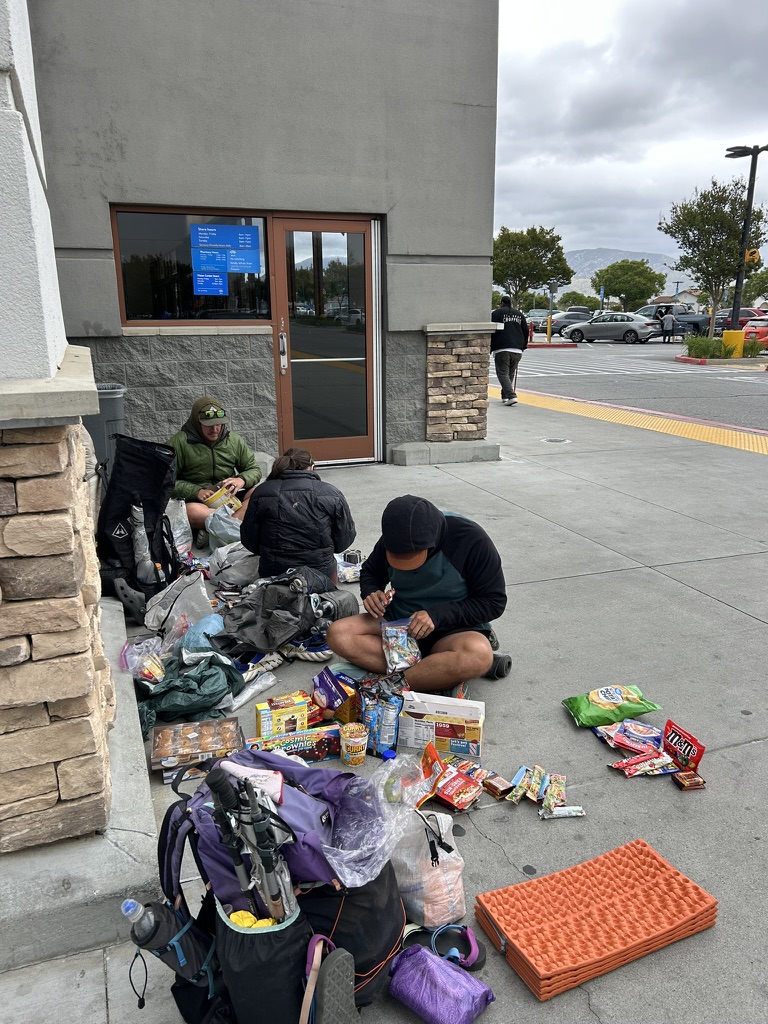
Our resupply strategy was a mixture of buying food along the way and mailing boxes to ourselves. In some sections, we hiked town to town and purchased food as we went. In more remote stretches of Oregon and Washington, we bought large quantities of food from Walmart or other grocery stores and shipped boxes to areas like Shelter Cove in Oregon and Snoqualmie Pass in Washington.
Many of the PCT’s resupply options were small markets or local grocery stores. We discovered the Grocery Outlet chain while hiking through Northern California and took advantage of it whenever we could. Other times small markets, like Kennedy Meadows General Store and Trout Lake General Store, were sometimes our only options and tended to be more expensive.
Read Next: The Ultimate PCT Resupply Strategy for 2026
Lodging
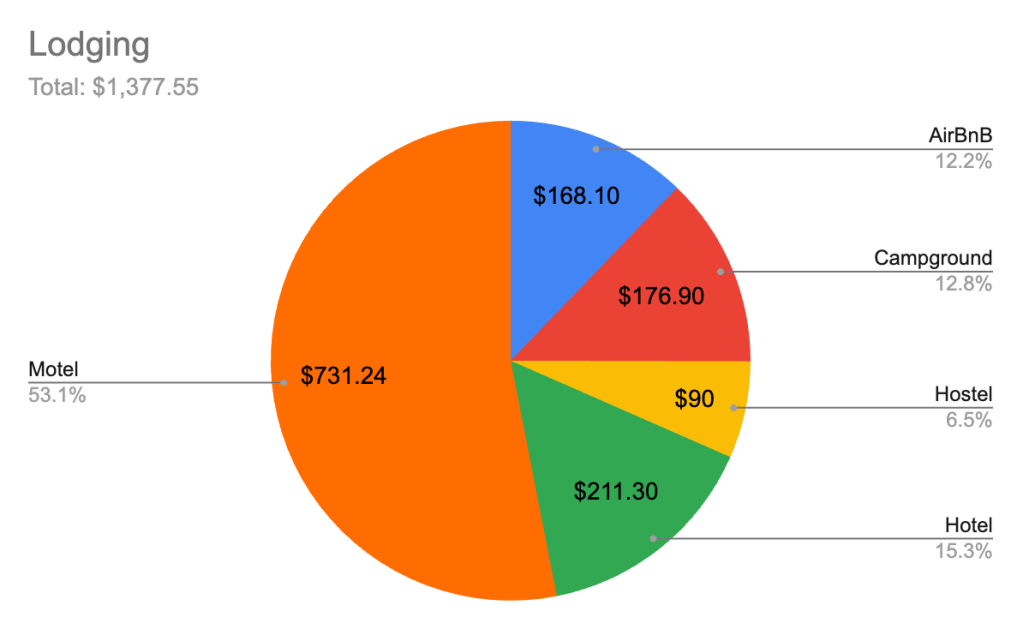
Total: $1,377.55
- Motel: $731.24
- Hotel: $211.30
- Campground: $176.90
- Airbnb: $168.11
- Hostel: $90
Once again, town is where our spending really added up. A bed, shower, laundry, and a chance to spread your gear across an entire room can feel absolutely priceless after days on trail. Unfortunately, though, that comfort comes with a price tag.
We did a lot of what hikers call “heroes” on the PCT, meaning we hiked into town and back out again in a single day rather than spending the night. That kept our lodging costs much lower than they could have been.
We also paid to camp in established campgrounds several times simply for access to amenities like showers and laundry. It can feel ridiculous to pay money to sleep in your own tent, but after a week on trail, a hot shower and clean clothes are worth a lot.
When we did stay in town, we generally looked for cheap motels or split rooms with other hikers. Super 8s and Budget Inns were common choices, although every once in a while we splurged on somewhere a little nicer.
In places like Idyllwild, Wrightwood, and Leavenworth, we rented Airbnbs with other hikers and divided the cost among the group. If you’re hiking in the bubble, this can be a great way to make lodging more affordable. Plus, it’s more fun to have a slumber party with your tramily.
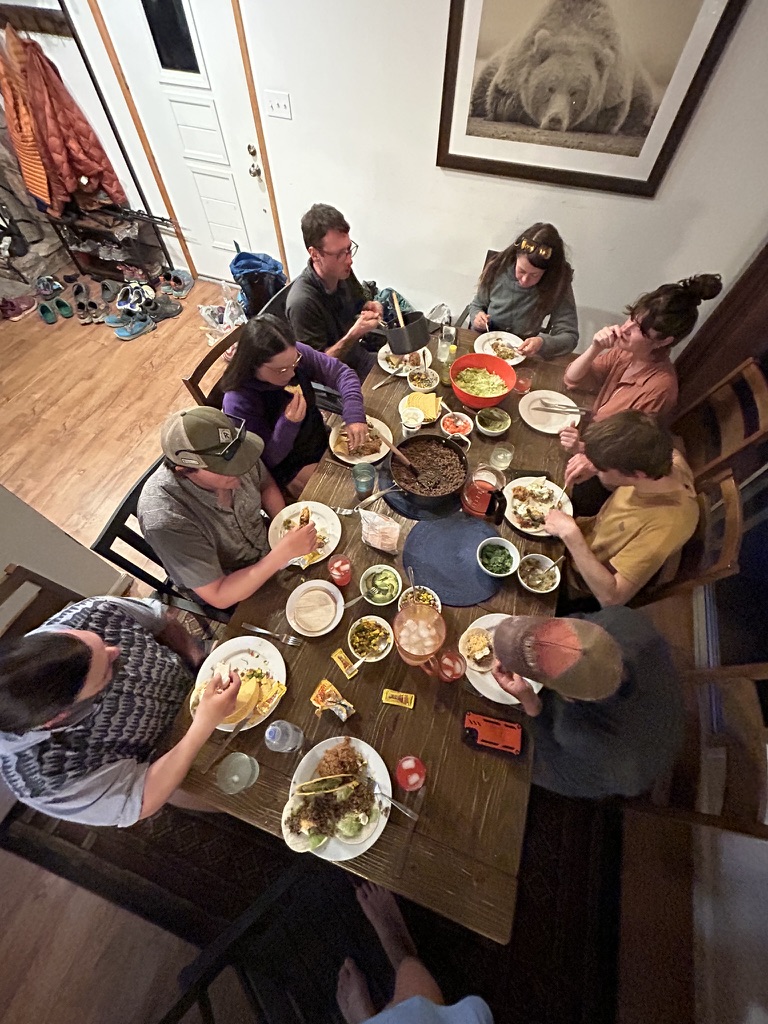
When we had a large group together, we’d often cook at least one meal at the Airbnb, which gave us another opportunity to save money.
Read Next: The Thru-Hiker / Appalachian Trail Glossary (Trail Terminology)
Gear
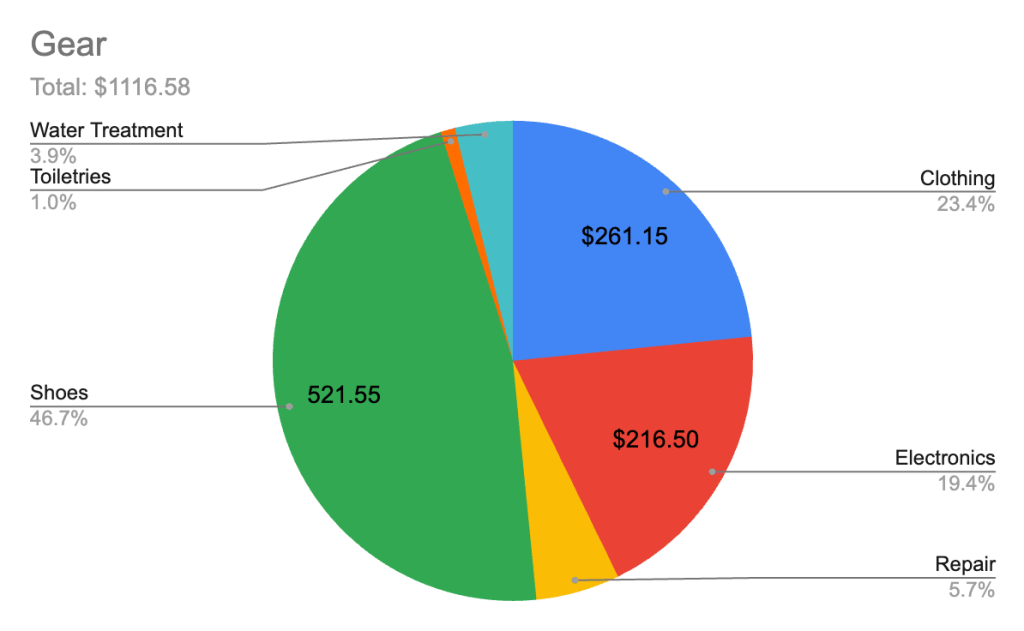
Total: $1,116.58
- Shoes: $521.55
- Clothing: $261.15
- Electronics: $216.50
- Repair: $63.13
- Water Treatment: $43.45
- Toiletries: $10.80
I only tracked gear we purchased while on trail. This doesn’t include the money we spent preparing for the PCT. Thankfully, we didn’t have to buy much beforehand because we already owned major pieces of gear from previous thru-hikes, including our tent, sleeping pads, and packs. We also didn’t have to replace any major gear during the hike.
Our biggest gear expense was shoes.
I went through five pairs during the hike, while my husband, Truffles, went through four. I had stockpiled several pairs at home before the trail, and I was also gifted a pair for review. As a result, we only purchased four pairs while actually on trail: three for Truffles and one for me.
We found it was significantly cheaper to buy shoes online, especially when purchasing the previous year’s model at a discount. That’s how I built my shoe stockpile before the hike, with family members mailing replacements to me as I needed them.
Read Next: Which Shoes Are Right For Your Thru-Hike? There’s Only One Correct Answer
Other gear purchases included a 10,000mAh battery for the Sierra and another fast-charging battery bank that we used for quick trips in and out of town. I also purchased a new water filter for better flow and replaced several sun hoodies.
We also picked up minor repair supplies like duct tape and super glue. The toiletries category consisted primarily of anti-chafing creams and balms, items I desperately needed in Northern California.
Transportation
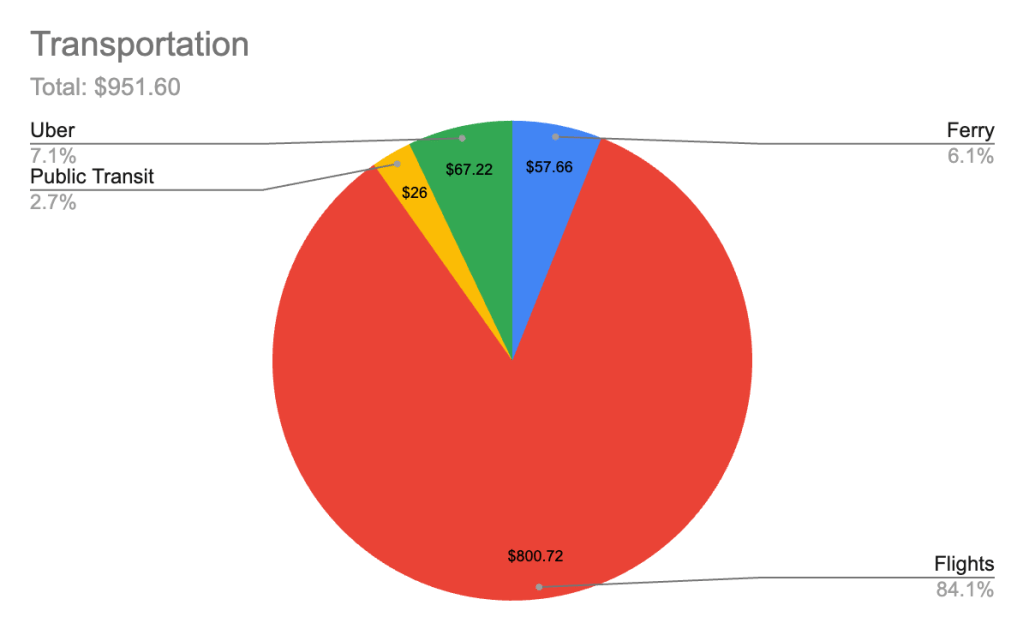
Total: $951.60
- Flights: $800.72
- Uber: $67.22
- Ferry: $57.66
- Public Transit: $26
Our flights to and from the trail made up the vast majority of our transportation expenses. We flew from Tennessee to San Diego to start the hike and from Seattle back to Tennessee after finishing.
Beyond that, we didn’t spend much on transportation. We occasionally used Uber in town and took the ferry across Lake Chelan to reach Stehekin. Some towns offered free buses like South Like Tahoe and Truckee. We tried to capitalize on those resources whenever we could.
For the most part, when we weren’t walking, we stuck out our thumbs and hitchhiked.
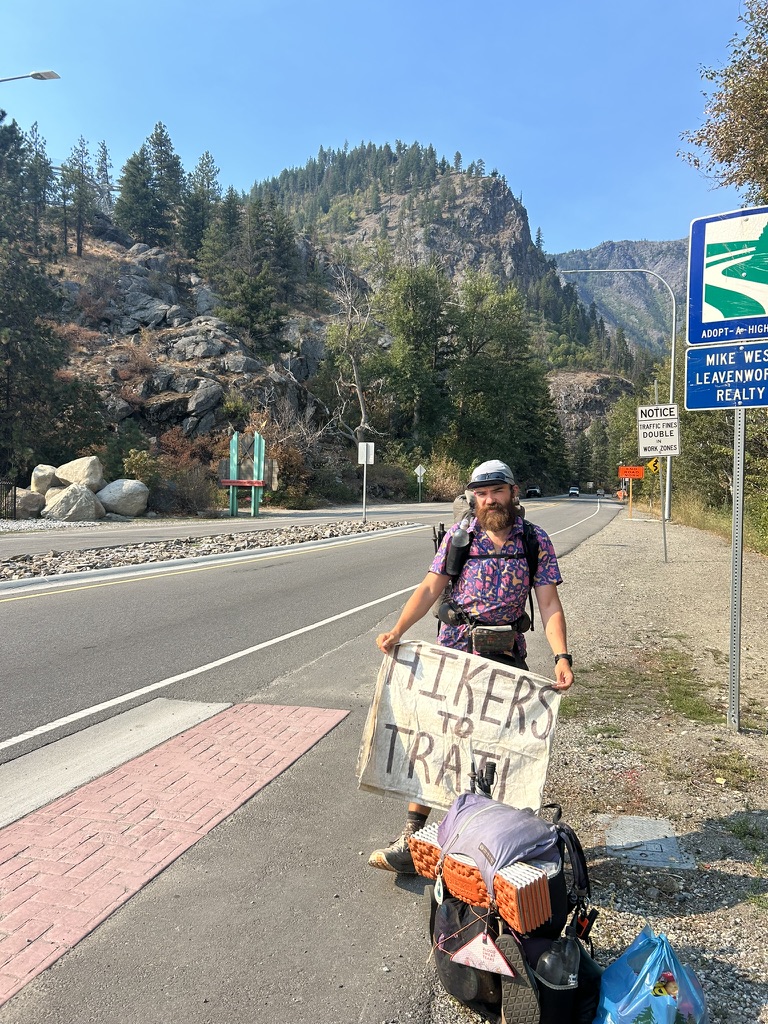
Hitchhiking saved us money, but it also gave us some of our best stories from the trail. Many thru-hikers hitchhike at some point, and it’s polite to offer gas money when someone gives you a ride.
Read Next: After 9,500 Miles on Trail, Here’s My Top Hitchhiking Advice for Women
We also relied on trail angels for rides, often connecting with them through FarOut or Facebook. When we had to pay for a shuttle, splitting the cost with other hikers was another easy way to reduce the expense.
Shipping
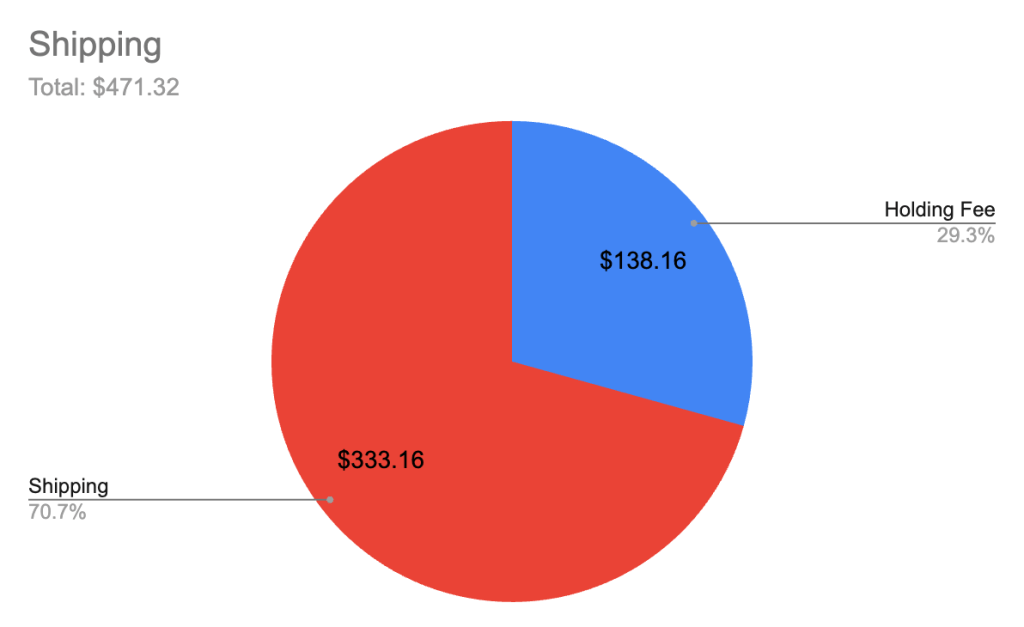
Total: $471.32
- Shipping: $333.16
- Holding Fees: $138.16
Shipping is another expense that’s easy to overlook when planning a thru-hike budget.
Our mixed resupply strategy meant that sometimes we purchased food as we went, while other times we mailed ourselves boxes to more remote sections of trail. When we mailed boxes, we had to pay shipping costs, and some businesses also charged holding fees. Neither expense was astronomical, but together they added up to nearly $500.
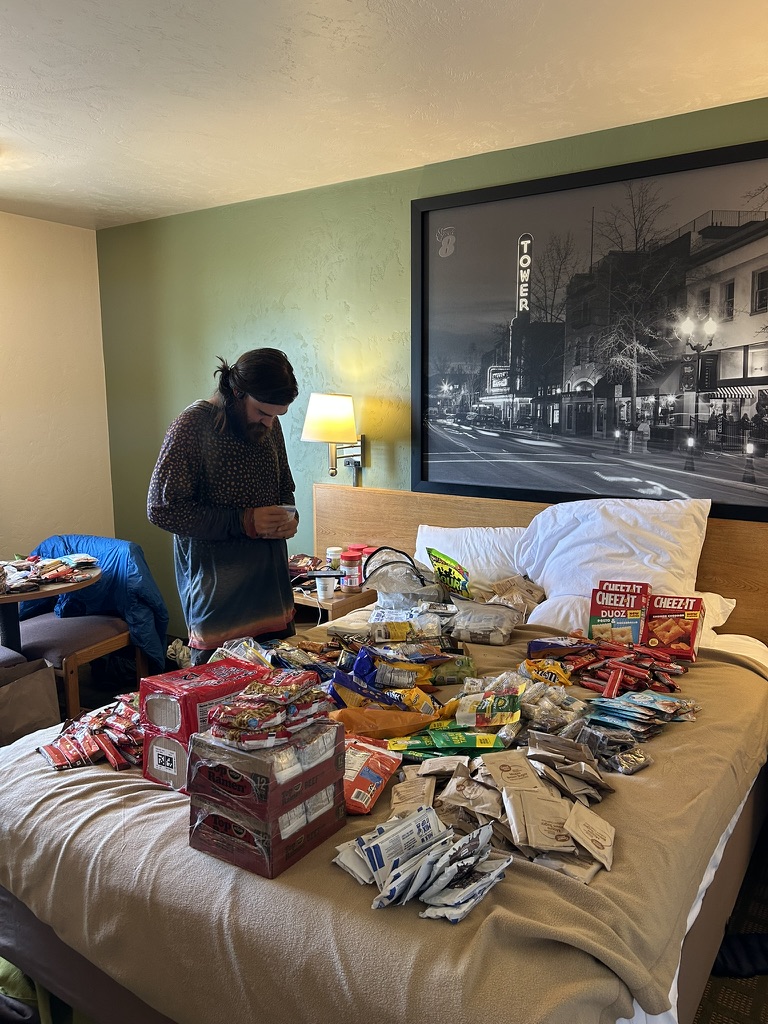
If you’re planning to mail resupply boxes, make sure shipping and holding fees are part of your budget.
Read Next: Resupply Strategy – Food on the Trail
Miscellaneous
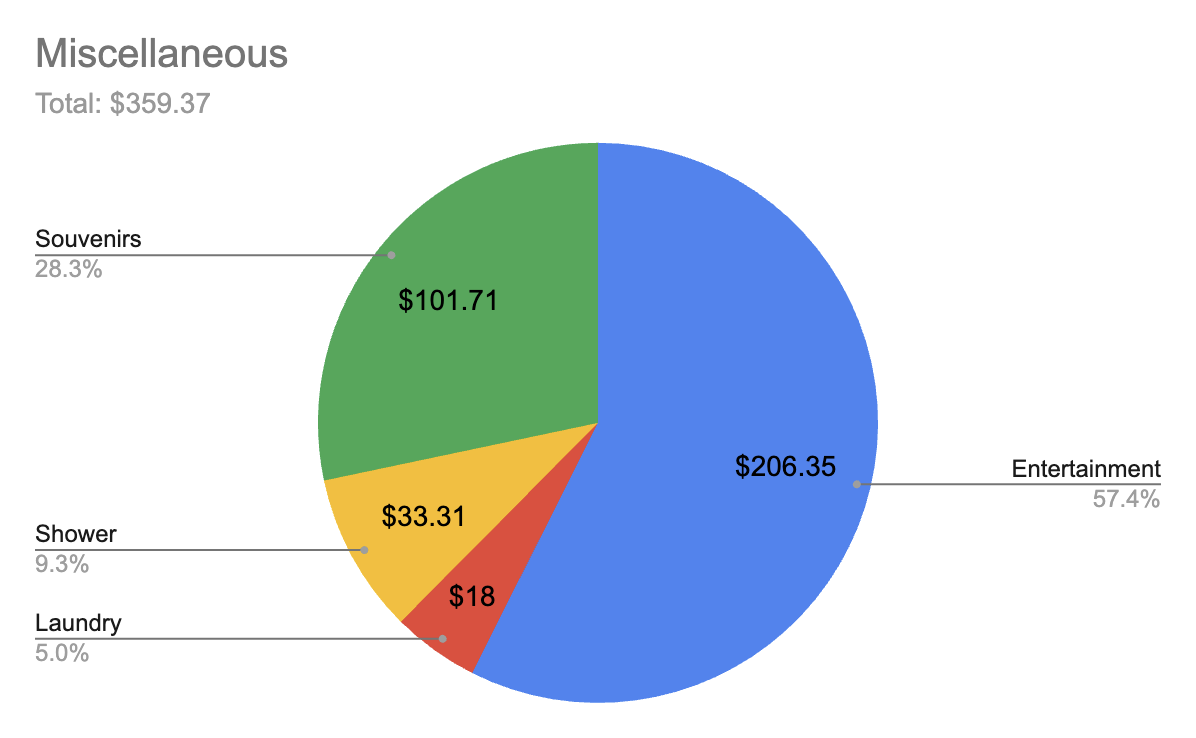
Total: $359.37
- Entertainment: $206.35
- Souvenirs: $101.71
- Showers: $33.31
- Laundry: $18
This catch-all category includes the random expenses that are easy to forget when creating a thru-hike budget.
Our entertainment spending largely came from side quests in town, like bowling in Ridgecrest and tubing in Bend. We could have spent significantly more if we’d said yes to every opportunity that came our way.
For example, the annual Shakespeare Festival was happening in Ashland, Oregon, while we were there. We considered going but ultimately decided the tickets were more than we wanted to spend.
That’s one of the tricky things about budgeting for a thru-hike: you can’t necessarily predict the opportunities you’ll encounter. If you want the freedom to say yes to unexpected experiences, it’s worth having some extra money set aside.

We also spent a little money on souvenirs, including postcards to mail home. In Leavenworth, I bought a painting from an art show and paid to have the artist mail it home for me. Showers and laundry aren’t always included with lodging, either, so having some money available for those little extras was helpful.
Subscriptions
Total: $155.39
Our electronics spending (aside from what was already counted in the “gear” category) was entirely made up of subscriptions.
We paid for a Garmin inReach subscription, increased our Apple storage to accommodate the thousands of photos we took, and shared an Audible subscription so we could listen to audiobooks while hiking. I also purchased several audiobooks separately.
These aren’t necessarily expenses people think about when planning for a thru-hike, but small monthly subscriptions can add up over five or six months.
Read Next: 10 of the Best Audiobooks to Listen to During Your 2025 Thru-Hike
Permits and Fees
Total: $150
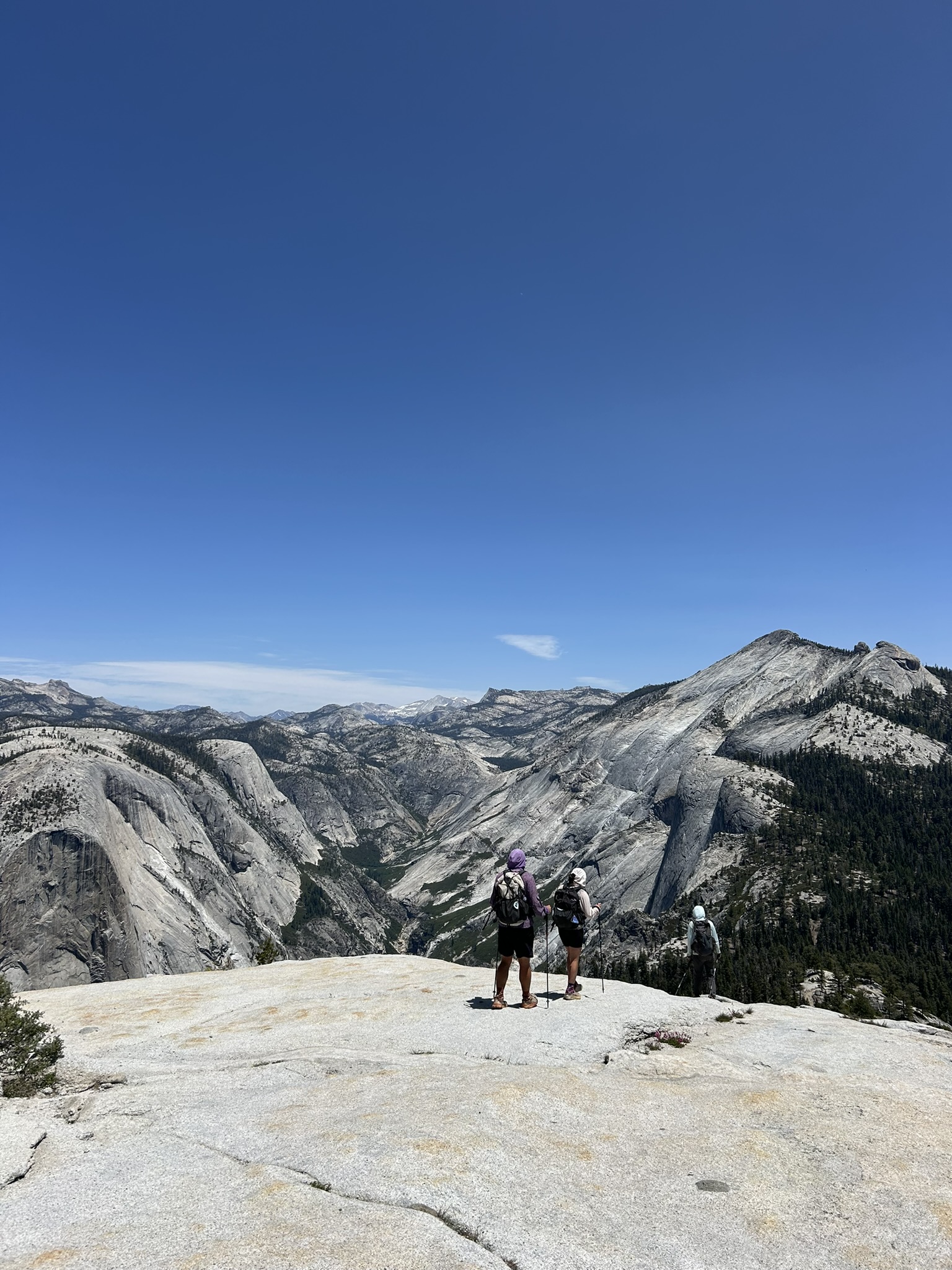
This category was unique because the entire $150 was spent during a side quest to Yosemite. We scored permits to hike Half Dome and purchased an America the Beautiful National Parks Pass along the way.
For international hikers, this category could look very different. Visas and other travel-related fees can add up quickly, so make sure to account for them when creating your budget.
Read Next: Thinking About Hiking the PCT? Here’s Where to Start (Especially if You’re in the UK)
Medical
Total: $100
- Urgent Care: $100
This was the first time either of us had needed medical treatment on a thru-hike. While hiking through Oregon, I started experiencing extreme back pain, nausea, and fatigue. We weren’t sure what was wrong, but we knew I needed to see a doctor as soon as possible.
When we reached Bend, Oregon, our first stop was urgent care. I was diagnosed with a severe UTI and prescribed antibiotics. We ended up staying in Bend for four days while I recovered, which meant spending considerably more money in town than we’d originally planned.
Thankfully, we’d chosen to keep our health insurance while on trail, and were only responsible for the copay at the Urgent Care.
Medical expenses are difficult to plan for (and hopefully you’ll never have to incur them!), but they’re worth including in your budget, at least in terms of having a little extra set aside just in case. Thru-hiking is a physically demanding activity, and injuries, infections, and overuse issues can happen even when you do everything right.
Off-Trail Expenses to Consider
Home Expenses
Total: $2,856.01
- Rent: $1,500
- Car Insurance: $712
- Bills: $436.31
- Health Insurance: $207.70
I didn’t include these expenses in our $12,633.07 trail total because everyone’s financial situation at home is different.
Some hikers sell their homes, sublet their apartments, put their belongings in storage, cancel insurance, or sell their cars. Others continue paying most of their regular expenses while they’re gone.
There isn’t one right answer. However, you need to know what your financial life will look like while you’re hiking. You likely won’t be making money while you’re on trail, so you need enough to finance your life on trail and whatever expenses you still have at home.
In our case, we continued paying rent so we wouldn’t have to move, maintained our car insurance, paid our regular household bills, and continued paying for health insurance.
That added another $2,856.01 to our expenses over the course of the hike. We had planned for those costs, but it was still strange to watch money leave our bank account for things we weren’t actively using.
Before you leave for your thru-hike, take a hard look at your monthly expenses and decide what you’re willing and able to continue paying. Then add those costs to your overall hiking budget.
Tips for Saving Money on a PCT Thru-Hike
Save as much as possible before you leave. It’s extremely likely you’ll spend more than you expect. Having financial wiggle room means you can handle unexpected expenses and say yes to experiences that make your hike memorable.
Reduce your expenses at home. If possible, consider subletting your apartment, moving in with family, putting belongings in storage, or finding other ways to reduce your monthly bills.
Automate your bills. If you’ll still have expenses at home, set up autopayments before you leave. You don’t want to spend your thru-hike worrying about whether you have cell service or internet access when a bill is due.
Spend less time in town. Town is where our budget took the biggest hit: between town food and lodging, we spent roughly $6,700, which was just over half of our total thru-hike spend. Hike a few extra miles into or out of town, grab lunch, take care of your chores, and get back on trail rather than automatically spending the night.
Take advantage of inexpensive camping. Sometimes a motel room is absolutely worth the splurge. Other times, sleeping in your tent is enough. Look for free or inexpensive camping options when they’re available.
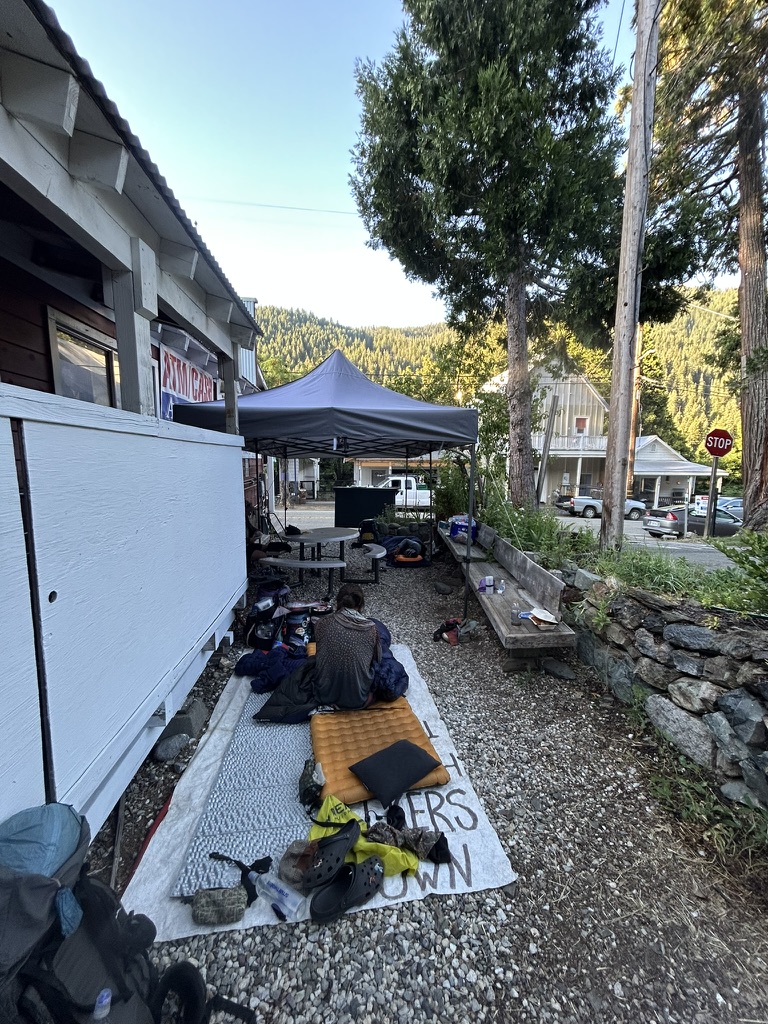
Split costs with friends. A $100 motel room feels a lot more reasonable when four hikers split it. Large groups can also make Airbnbs surprisingly affordable. We did this several times and often cooked a group dinner, saving money on food while having a great time together.
Set aside money for after the trail. Finishing a thru-hike with nothing left in your bank account means you’ll have to jump back into “real life” immediately. Having a financial cushion gives you breathing room to figure out your next step instead of rushing straight into the first job you can find.
Don’t obsess over every dollar. As long as you have a general idea of how much money you’ve spent and how much you have left, you don’t necessarily need to track every single purchase.
One of the greatest benefits of thru-hiking is freedom. In my experience, that freedom can extend to your finances, too. Saving enough beforehand allowed us to spend less time worrying about every dollar and more time enjoying the experience we’d worked so hard to create.
Closing Thoughts
Everyone’s spending will look different on a thru-hike.
We all have different priorities and different financial circumstances. One hiker might happily spend $200 on a hotel room while another would rather sleep outside to save a buck. One person might eat every meal from their backpack while another considers town food an essential part of the experience.
Even the trail itself can change your budget. Fire closures can force hikers to pay for expensive shuttles, while bad weather can mean spending unexpected days in town.
For us, though, our total spending felt pretty close to what we’d expected. We spent a good chunk of change, but we also could have spent considerably more.
We worked hard for years to save for this adventure. When we finally stepped onto the PCT, we had enough money set aside that we didn’t have to constantly worry about whether we could afford the experience. Could we have been more frugal? Absolutely.
But we didn’t want to spend six months walking from Mexico to Canada obsessing over every dollar. We wanted the freedom to eat the burger, book the motel room, join our friends for a side quest, or buy the painting that made me smile.
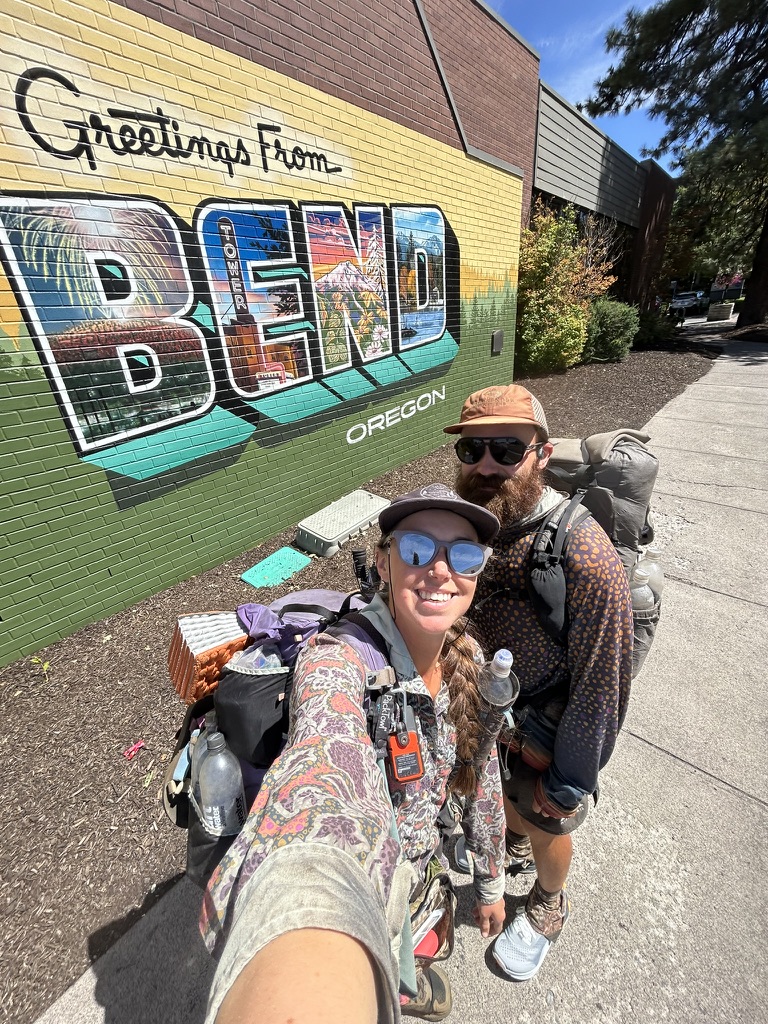
So, is the $1,000-per-person-per-month rule still accurate? For us, pretty much.
I think the more important takeaway is that a thru-hike budget isn’t just about figuring out how little you can spend. It’s about figuring out what kind of experience you want, and saving enough money beforehand to give yourself the freedom to have it.
My biggest piece of advice is simple: save as much as you can before you leave.
The more financial cushion you have, the less you’ll have to think about money once you’re on trail. That means the more freedom you’ll have to enjoy the adventure you worked so hard to create.


Leave a comment