
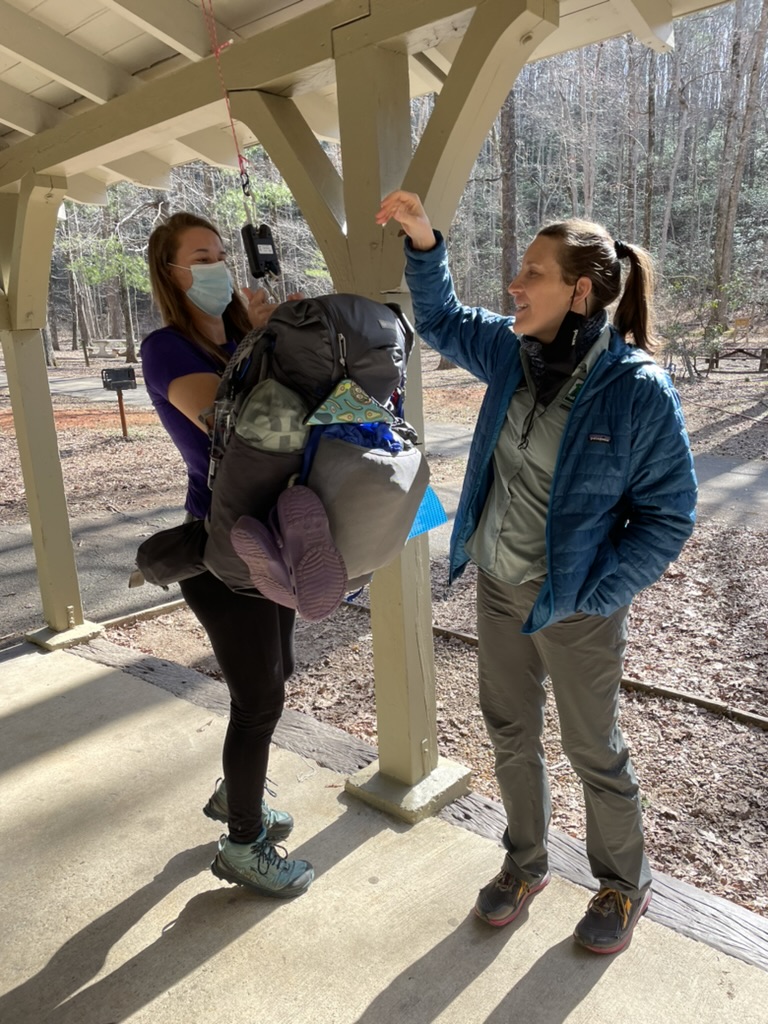
I was tempted to quit my 2021 Appalachian Trail thru-hike before ever leaving Springer Mountain. I had no clue what I was doing, and I could barely even lift my behemoth 41-pound pack onto the hook of the pack scale at Amicalola Falls. “You won’t make it to Katahdin if you can’t even pick your pack up,” scoffed the ranger who was helping me.
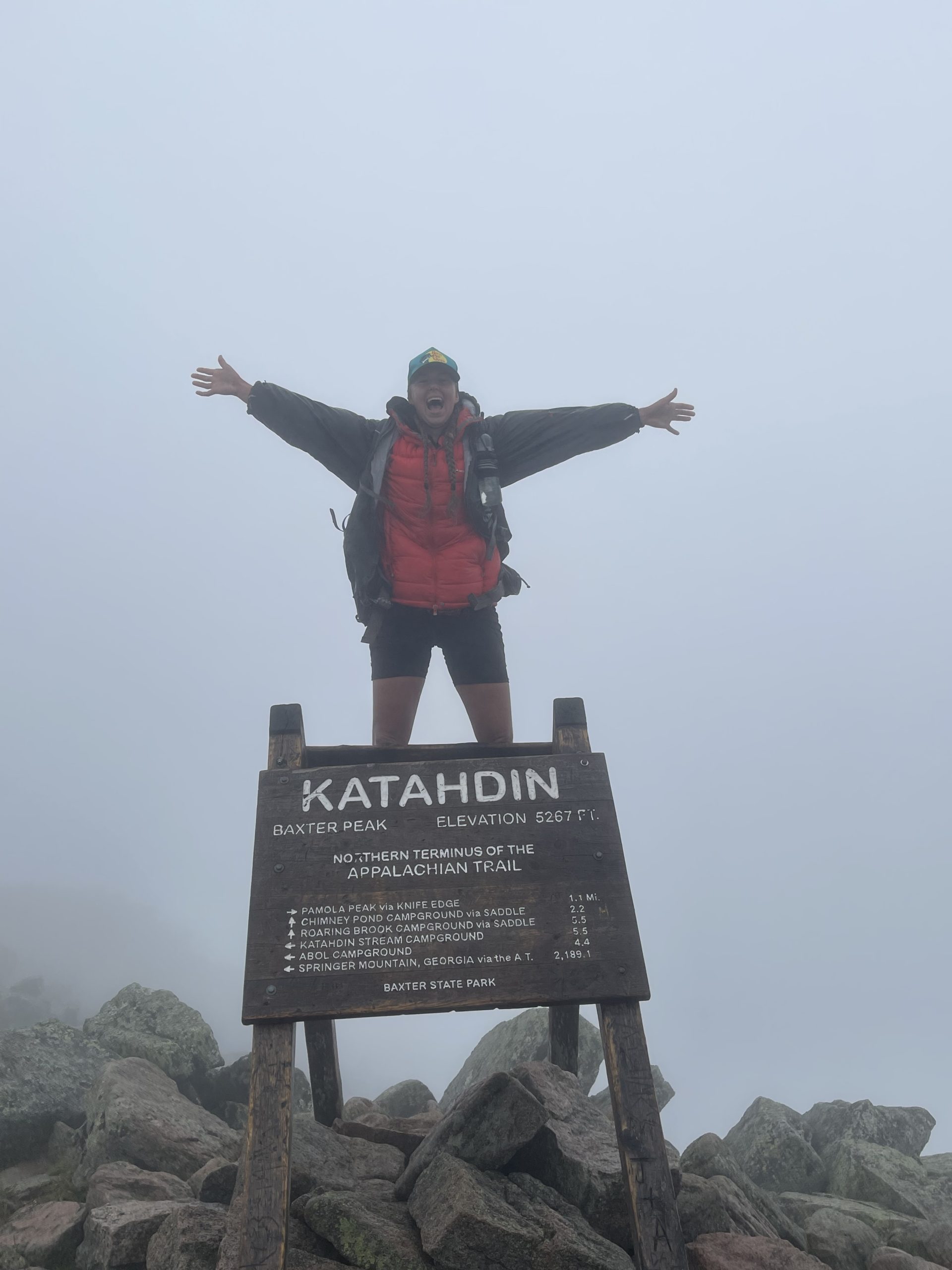
All these years later, I still think back to that moment. Did the ranger see something in me that made her think I didn’t have what it takes to trek 2,200 miles? Her criticism stung, but she had a point. I had a lot to learn. Still, she likely never would have guessed that six months after embarking from Springer, I would stand on top of Katahdin, a successful thru-hiker.
Since then, I’ve completed multiple thru-hikes and spent several seasons working as a backpacking guide. I’ve watched incredibly fit and experienced hikers get sidelined by injury. I’ve met first-time backpackers who persisted against all odds and reached the final summit.
The more time I spend on long trails, the less convinced I am that you can predict who will finish by looking at their pack, their hiking resume, or even their fitness.
Preparation matters, but preparation can’t prevent every injury, trail closure, or unexpected life event. Still, after thousands of miles, I do think the hikers who make it to the end often have a few things in common.
1. They Adapt
Weather, injury, illness, fire closures, family emergencies, and countless other circumstances can derail even the most carefully planned hike. The trail doesn’t care how hard you worked to get there, what you sacrificed to prepare, or how many miles you’ve already hiked. No amount of experience, fitness, or preparedness guarantees a finish.
My tramily member Hangman experienced this firsthand on the PCT in 2025. We had finished the AT together, and in the years between thru-hikes, he had become an even stronger hiker. He had spent years trail running and improving his fitness, and he came out guns blazing on the PCT.
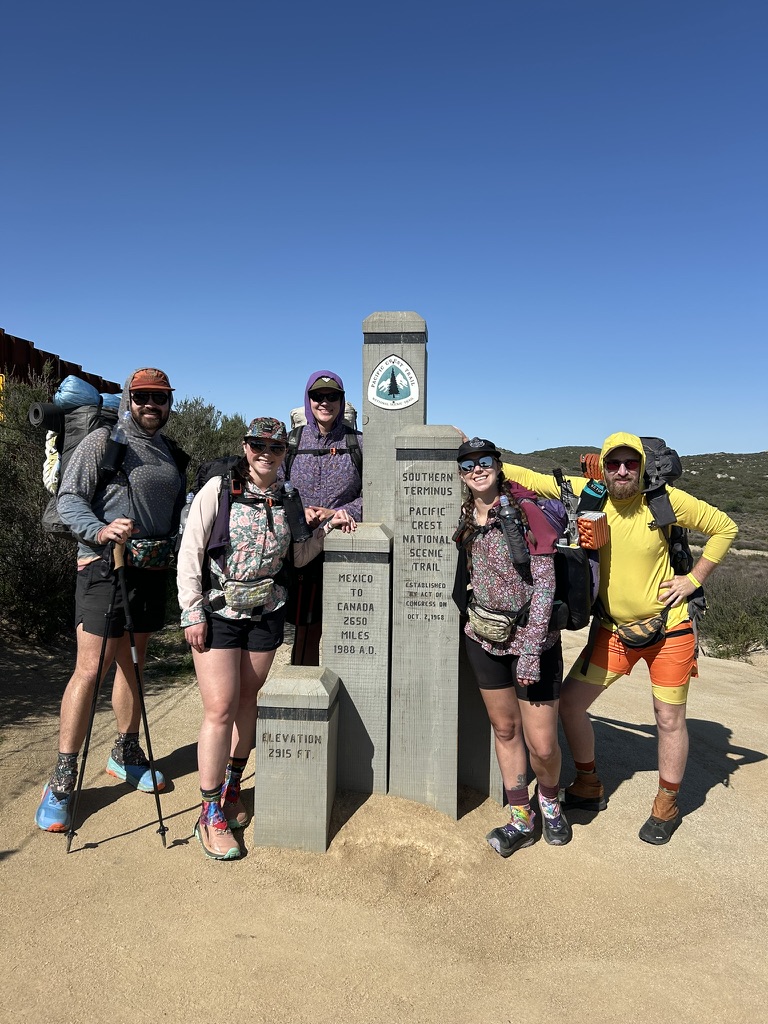
We hiked hard through the desert and felt strong going into the Sierra, but suddenly everything went wrong. Hangman developed a stress fracture from overuse and had to get off trail for two months to heal.
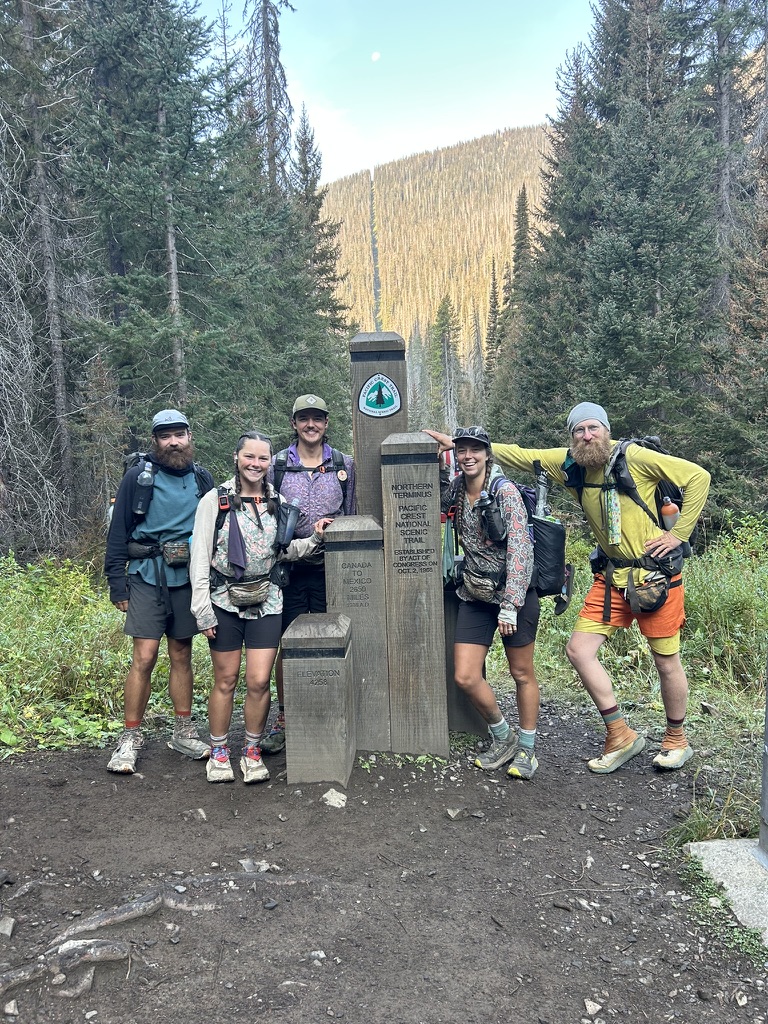
But that wasn’t the end of the story. Eventually, he returned to finish the last couple hundred miles. His hike looked drastically different from the one he had planned, but he adapted and made it work.
That’s the reality of a thru-hike: sometimes, you can do everything right and still get dealt a bad hand. It’s easy to feel entitled to success after pouring months or years of preparation, money, and energy into a thru-hike. I worked hard for this. I’ve earned this.
It’s a tough pill to swallow, but the trail doesn’t owe you anything, even a finish. Planning, preparing, and training can give you the best possible chance of succeeding, but it’s important to recognize that things will happen outside of your control.
Read Next: 7 All-Too Common Signs of Entitlement I’ve Noticed in the Thru-Hiking Community
2. They Learn From Their Mistakes
Many hikers think they have it all figured out from the jump, but more often than not, they don’t. Things will undoubtedly go wrong on a thru-hike, and you will make mistakes. Even small mishaps like missing a shuttle, underestimating a food carry, or showing up tired to a fully occupied campsite can throw a wrench in your plans.
Having the flexibility to admit when something isn’t working and pivot instead of stubbornly sticking to “the plan” is crucial in an ever-changing trail environment. Hikers hone this skill through hundreds of miles of hiccups and mishaps.
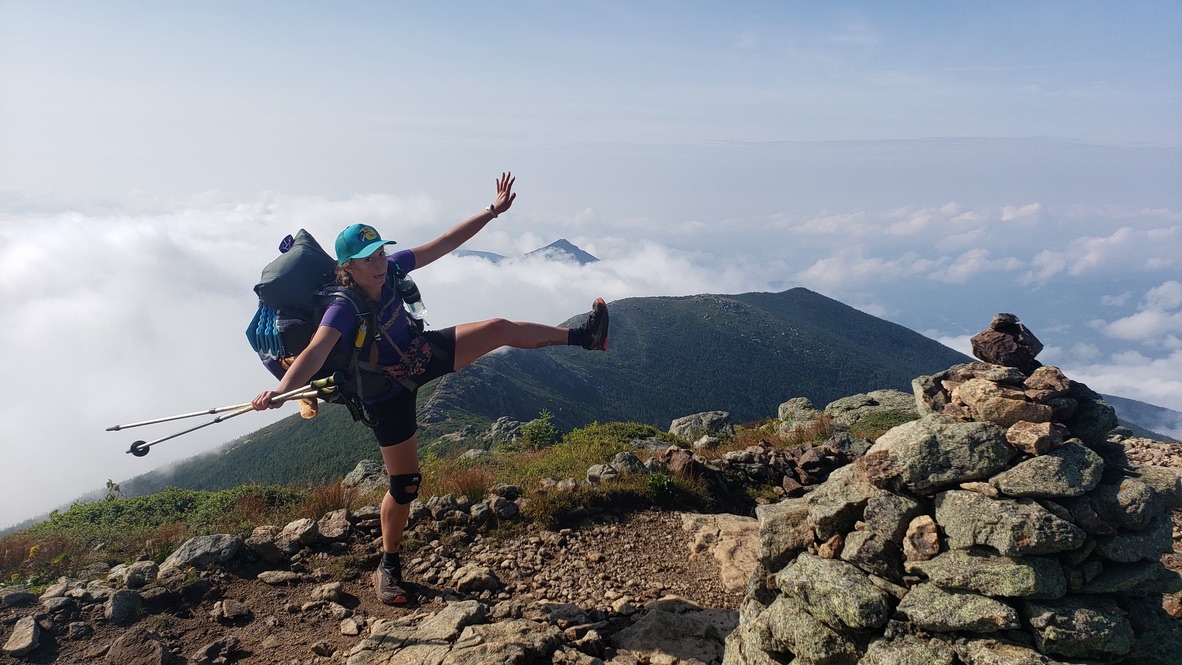
This is especially true of gear. You can spend thousands of dollars and countless hours stressing over every ounce in your pack, but there is no gear list that guarantees you’ll make it to the end.
My 41-pound pack proves that. I started the AT carrying more than I needed because I simply didn’t know any better. I had done my research, but planning only gets you so far.
Eventually, you have to put your pack on and start hiking to figure out what actually works for you. Being willing to learn, make changes, and adapt will help you reach the northern terminus.
Read Next: The Nitty-Gritty of Gear Evolution on a Thru-Hike
3. They Know How To Manage Their Morale
The energy at the start of a thru-hike is unmatched. People have been waiting for Day 1 for months, maybe even years. You take your first steps on the winding dirt path and pass your first white blaze. The excitement is palpable. I can’t believe this is finally happening!
Fast forward several months, and those bright-eyed fledgling adventurers are nowhere to be found. Instead, they’ve been replaced by haggard, dirty hikers who hobble down the trail cursing the rocks and roots. At some point, the novelty wears off, and you’re left dirty, tired, and hungry in the woods.
It isn’t realistic to think that thru-hikers enjoy every second of their thru-hike; I certainly didn’t. I questioned why I was out there almost every day. I knew that I was in the middle of an incredible journey, but in the tough moments, I would have given just about anything to be home.
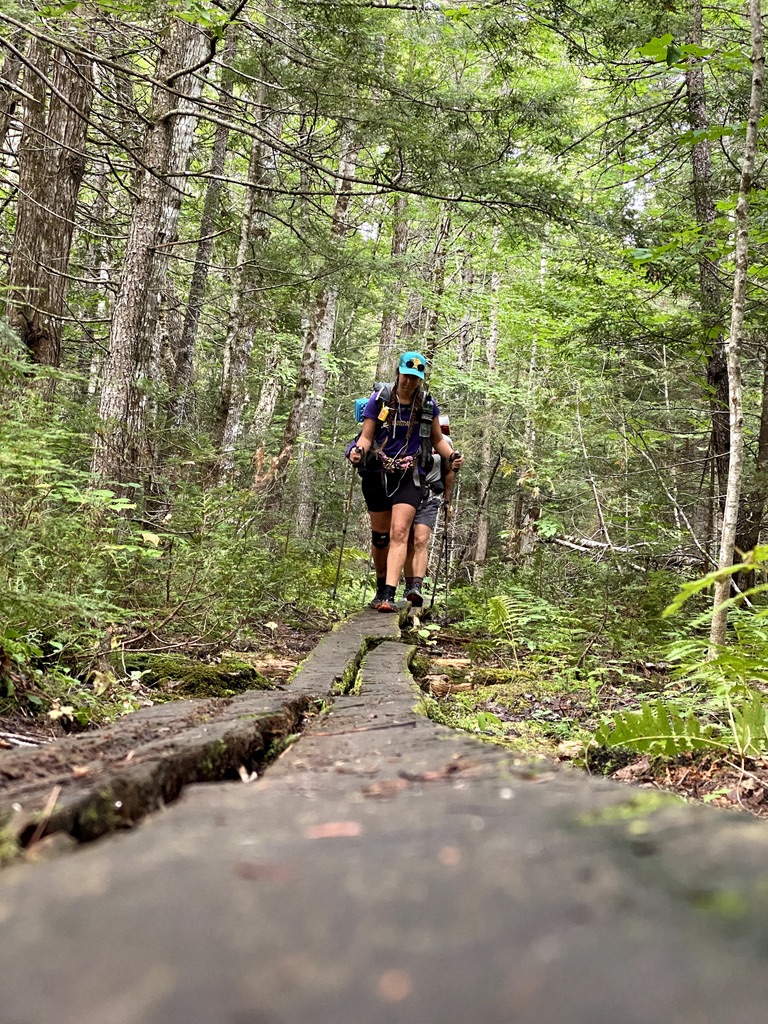
What helped me keep going was learning how to find small things to look forward to. Sometimes it was searching for newts or mushrooms while hiking through the rain. Other times, it was looking forward to the next town day. More often than not, it was the anticipation of crawling into my sleeping bag at the end of the day.
You don’t have to convince yourself that every miserable experience is secretly magical. A key factor in a successful thru-hike is learning to manage your own morale.
Look for small things to anticipate and small milestones to celebrate throughout the day. Having something to look forward to helps motivate you to continue putting one foot in front of the other. Setting small goals will eventually help you reach the overall goal of finishing the trail.
Remember: the finish line may feel impossibly far away, but you don’t have to decide to walk to Katahin every single day; you only have to decide to keep moving forward one day at a time.
4. They Accept That Not Every Day Will Be Wonderful
There will come a day when every thru-hiker wants to quit. Walking for months straight wears on the body and mind of even the most seasoned hikers.
It must be said: sometimes getting off trail really is the right decision. Injury, illness, family circumstances, financial limitations, safety concerns, or simply realizing that the hike is no longer what you want are all valid reasons to leave. A thru-hike isn’t a test of moral character, and choosing to stop doesn’t automatically mean someone failed.
However, there is a difference between deciding to end a hike for a specific reason and quitting because you’re having a bad day.
Read Next: Overcoming the Desire to Quit During a Thru-Hike
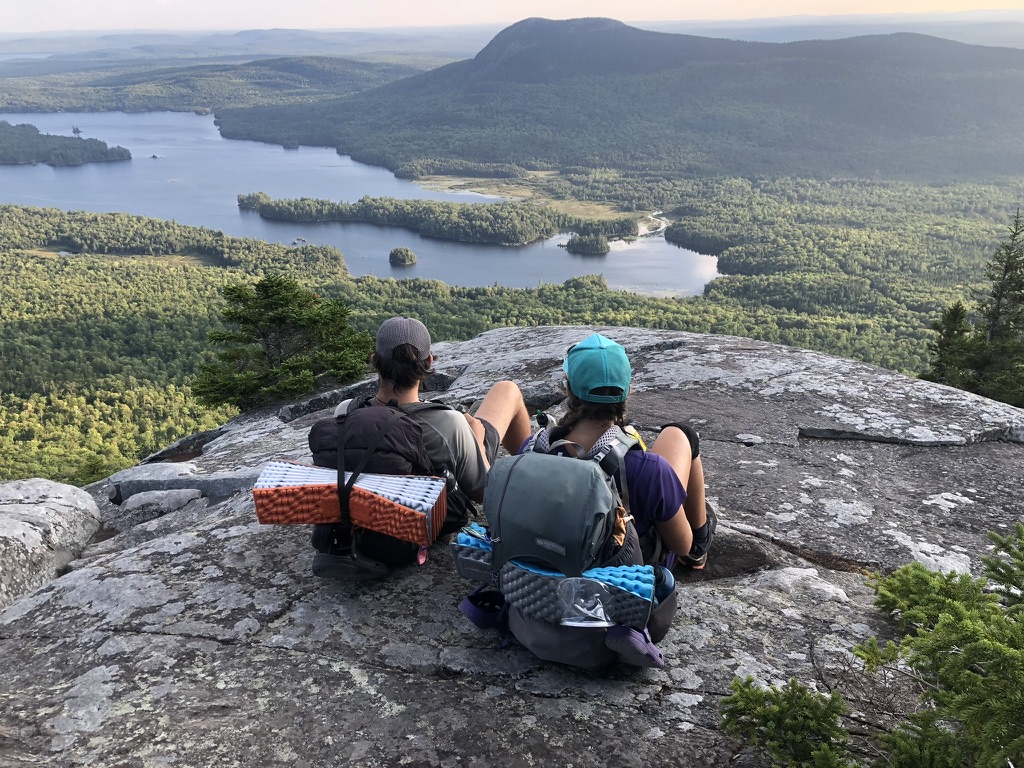
It might be a cliché, but one of the best pieces of advice I’ve received is “don’t quit on a bad day.” You’ll have plenty of bad days on a thru-hike. You’ll also have plenty of great days.
I wanted to quit almost every day on the AT. I was constantly asking my body to do hard and uncomfortable things, and I often struggled to rationalize why I continued putting myself through it.
But I kept going because I was stubborn, and because I was afraid of failing. I had blown up my life to pursue this dream. The idea of returning home and telling my loved ones that I hadn’t made it felt unbearable.
Looking back, fear of failure is probably not the best motivator, but it was honest and got the job done. That stubbornness gave me enough momentum to get through difficult days. Many nights I fell asleep adamant that I’d get off trail the next day, only to have a change of heart by the next morning. Sometimes all you need is a good night’s sleep or a pep talk from your tramily.
Successful thru-hikers don’t make drastic decisions based on one bad day.
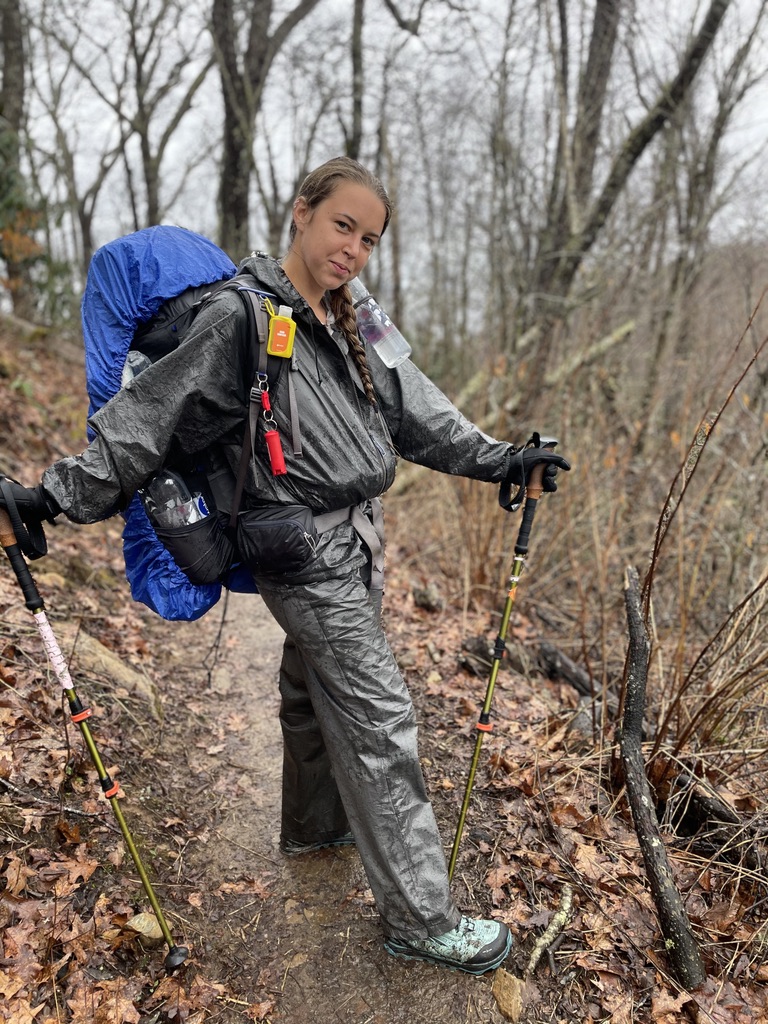
So, What Actually Predicts Whether Someone Will Finish a Thru-Hike?
At the start of the AT, I was inexperienced and carrying a heavy pack, but that didn’t determine where my hike would end.
I don’t think anyone can look at a person at the start of a journey and be certain whether they’ll reach their goal. The strongest-looking hiker might get injured. The most experienced person might have to go home. The first-time backpacker with an overloaded pack might slowly figure things out and walk all the way to the final monument.
There are too many factors beyond our control for a single quality to guarantee success.
But if you’re dreaming about a thru-hike, don’t worry about showing up already looking like you belong there. You don’t need the perfect gear list, years of backpacking experience, or the confidence of someone who already knows exactly what they’re doing.
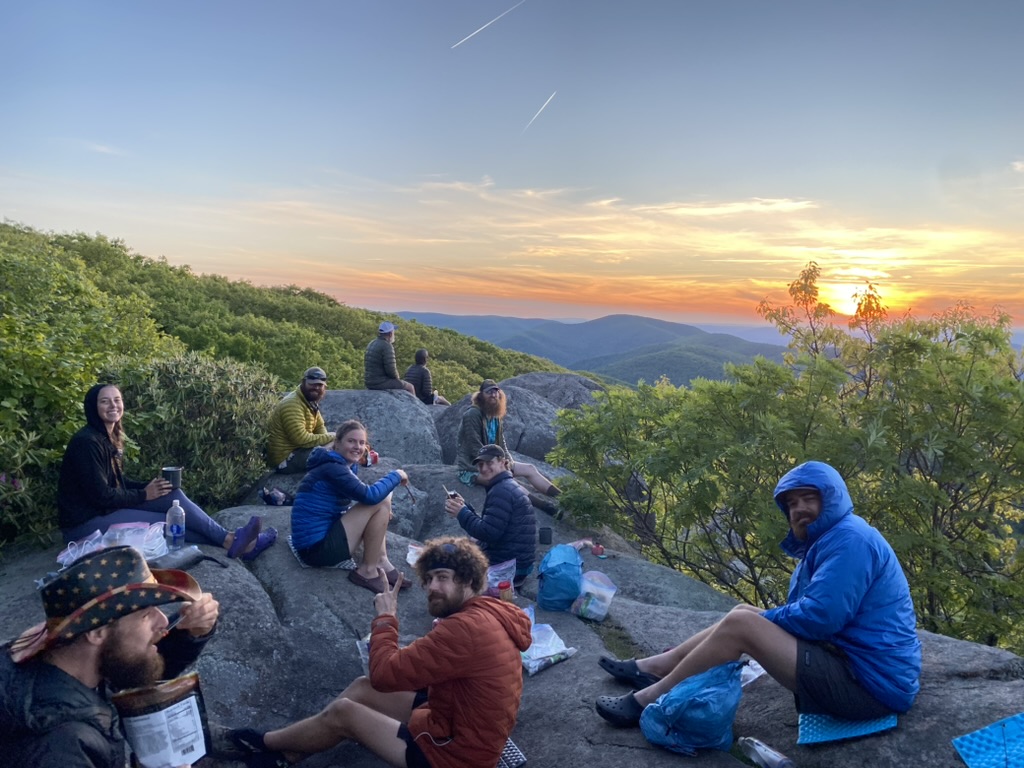
Be willing to learn, stay humble, and adapt when something isn’t working. Find ways to manage your morale and look for things to anticipate. When the inevitable bad day arrives, remember that you don’t have to love the experience to keep moving forward.
What actually predicts whether someone finishes a thru-hike isn’t how they start, but their willingness to evolve, change, and grow along the way. You don’t know what you’re capable of until you try.


Leave a comment