This article originally appeared on The Trek, which you can read here.
Altra has been one of the most popular footwear brands on America’s long trails for the past decade. They’re known for two things: foot-shaped designs and zero-drop shoes. In 2024, Altra broke the mold by releasing the Experience Wild, its first non-zero-drop trail runner. The shoe kept Altra’s signature foot-shaped design but added a 4 mm heel-to-toe drop.
Altra updated the original model in 2025 with the Experience Wild 2, then introduced several upgrades in the Experience Wild 3 series in 2026. The Experience Wild 3+ pairs a new midsole with a tried-and-true Vibram outsole for an elevated trail experience in a low-drop shoe.
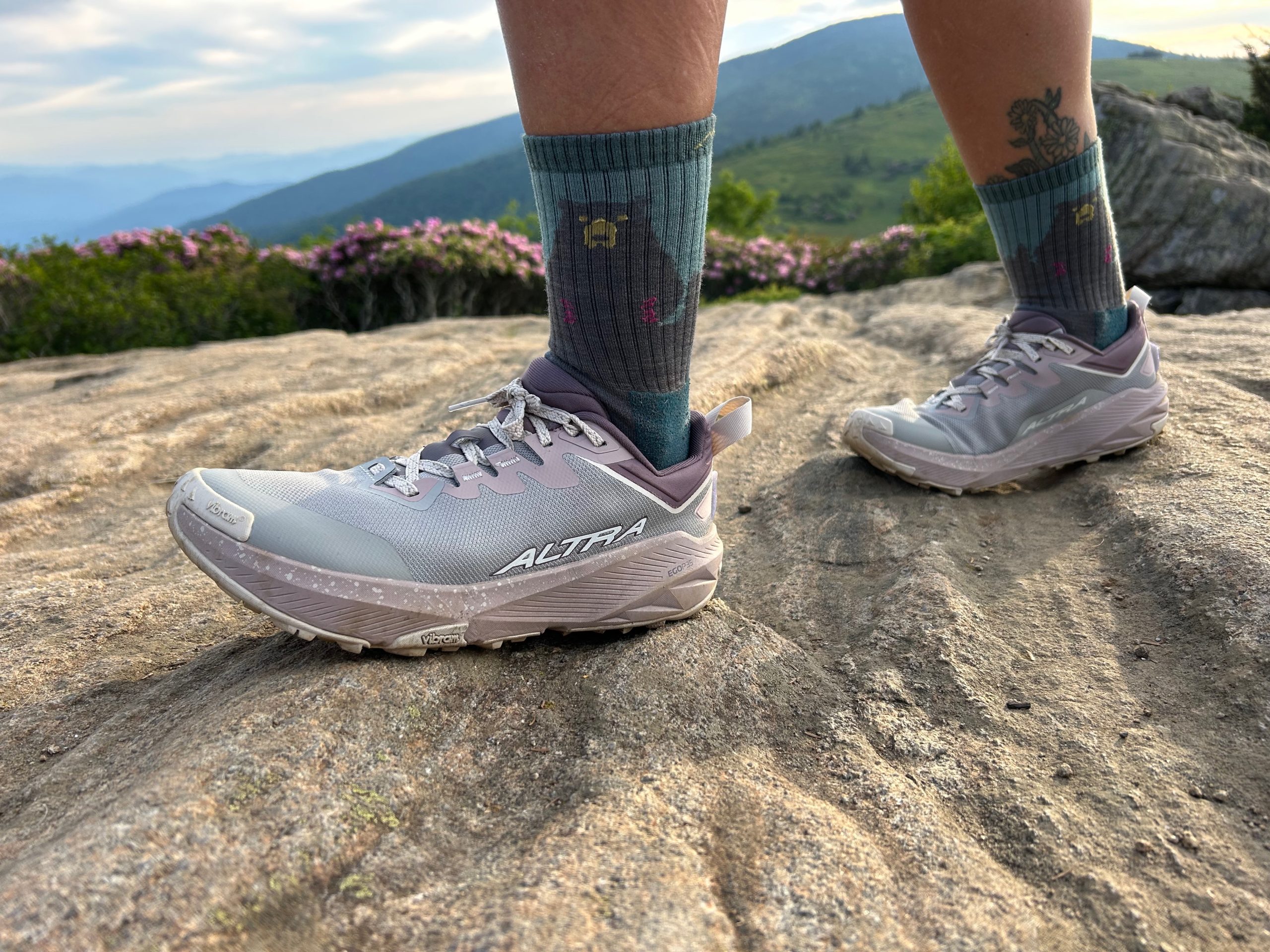
Altra Experience Wild 3+ (Women’s | Men’s) At a Glance
- MSRP: $165
- Weight: 9.3 oz (women’s) | 11.4 oz (men’s)
- Cushioning: Mid
- Heel-to-Toe Drop: 4 mm
- Stack Height: 32 mm (heel) x 28 mm (forefoot)
Circumstances of Review
I’ve worn Altras exclusively since my first thru-hike. On the AT in 2021, I switched between the Lone Peak and the Olympus. On the PCT in 2025, I wore several Olympus models, including the Olympus 275. It’s safe to say I have plenty of experience hiking in Altra’s zero-drop shoes.
I was excited and a little nervous to test a low-drop shoe after getting used to zero-drop. Over the summer, I put more than 300 miles on my pair of Experience Wild 3+ shoes. I took them on multiple backpacking trips in Great Smoky Mountains National Park and logged plenty of trail-running miles in East Tennessee and Western North Carolina. I even ran my first 50K trail race in them, so they saw their fair share of 20+ mile days on the trail during training.
Shoe Terminology
It helps to understand a few basic footwear terms before diving into the technical specs.
Outsole: The bottom of the shoe that touches the ground. Different brands use proprietary rubber compounds to help the shoe grip the terrain. This is where the traction comes from. The outsole often includes lugs, or the chunky elements on the bottom of a shoe that dig into the ground and improve grip and stability.
Midsole: The cushioning between your foot and the outsole. This is usually made from foam, and brands often use their own proprietary blends. Cushioning generally falls into three categories: low, mid, and high.
Upper: The top part of the shoe that holds your foot in place and protects it. Uppers are often made from mesh designed to promote breathability while helping keep water and debris out and preventing your foot from sliding around.
Heel-to-Toe Drop: The height difference between the heel and forefoot. This measurement can range from 0 mm to 8 mm or more.
Stack Height: The amount of material between your foot and the ground. Basically, it determines how high off the ground your foot sits inside the shoe. A higher stack height means more material underfoot, while a lower stack height brings you closer to the ground.
Altra Experience Wild 3 vs. Experience Wild 3+ vs. Experience Wild 3+ GTX
In recent years, trail runners have become the new standard for many hikers. According to The Trek’s 2025 Appalachian Trail Thru-Hikers Survey, 87% of respondents wore trail runners for the majority of their hike. Altra lists the Experience Wild 3+ as suitable for both trail running and hiking. The features that make trail runners appealing to runners are just as important to hikers: adequate cushioning for long days on the trail, aggressive traction, and a breathable upper.
Altra’s Experience Family includes the Experience Flow for roads and the Experience Wild for trails. Within the Experience Wild line, there are three models, with the main differences being the outsole and upper.
The Experience Wild 3 is the base model, featuring a MaxTrac outsole, Altra’s proprietary rubber compound. The Experience Wild 3+ has the same features as the base model but upgrades to a Vibram Megagrip outsole. Finally, the Experience Wild 3+ GTX swaps the standard mesh upper for a waterproof GORE-TEX Invisible Fit upper. All three models use the same Altra EGO P35 foam midsole.
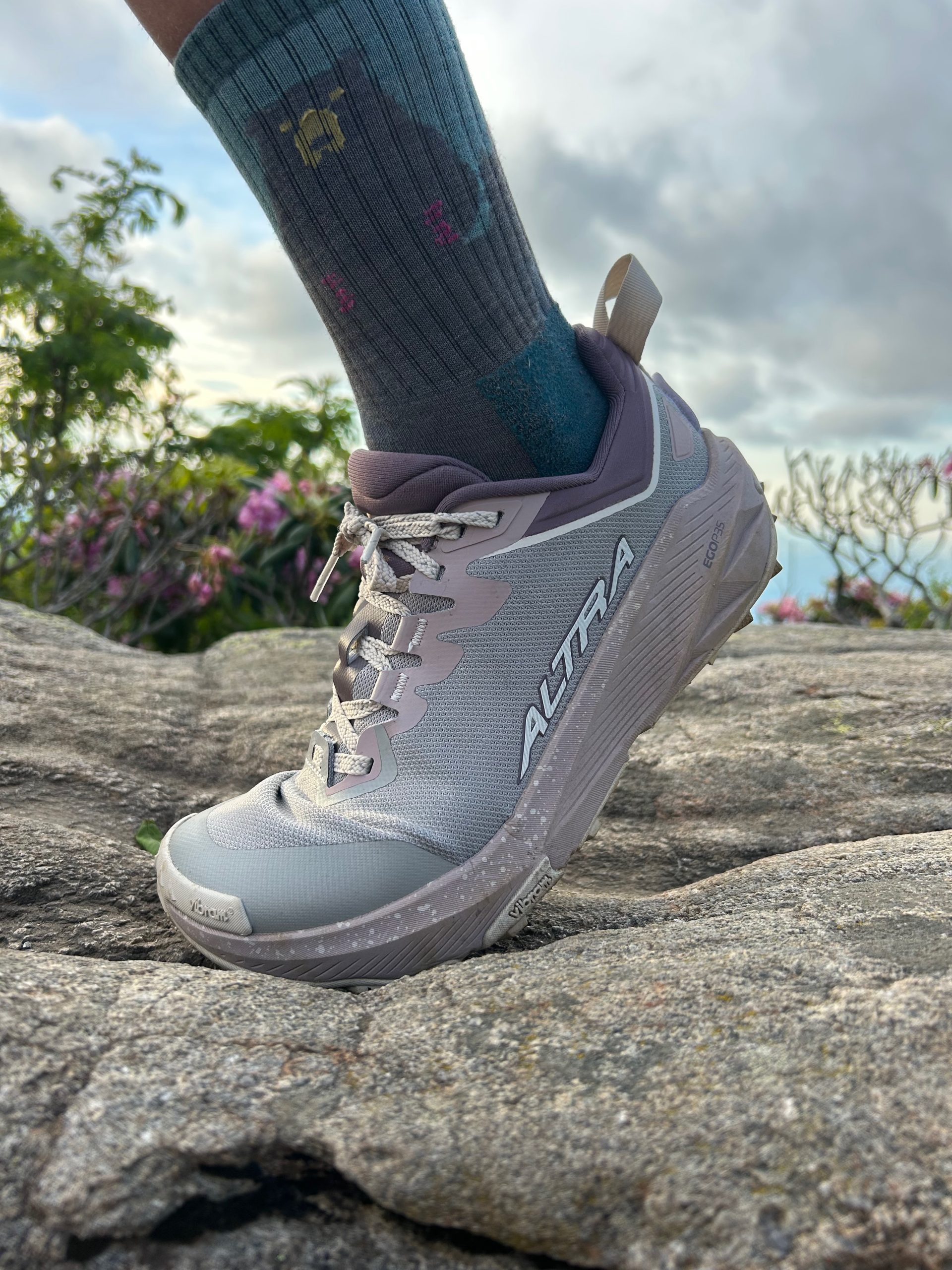
Experience Wild 3+ Features
Upper
There isn’t anything new or flashy about the Experience Wild 3+ upper. It’s Altra’s standard mesh, which I found to be breathable and quick-drying. Altra advertises a redesigned heel collar, and I found the padding around the collar provided enough support to keep my foot secure.
Midsole
The Experience Wild 3+ uses Altra EGO P35, a proprietary foam blend designed to feel lightweight and responsive. Altra categorizes its cushioning into three levels: Low, Mid, and High. The Experience Wild 3+ falls into the Mid category.
Although different foam materials can affect how a shoe feels, Altra’s cushioning categories are based on stack height. The shoe’s stack height is 32 mm at the heel and 28 mm at the forefoot, giving it a 4 mm heel-to-toe drop.
The shoe also has a rocker shape — a slight curvature that helps position your foot for toe-off as you move into your next step.
Outsole
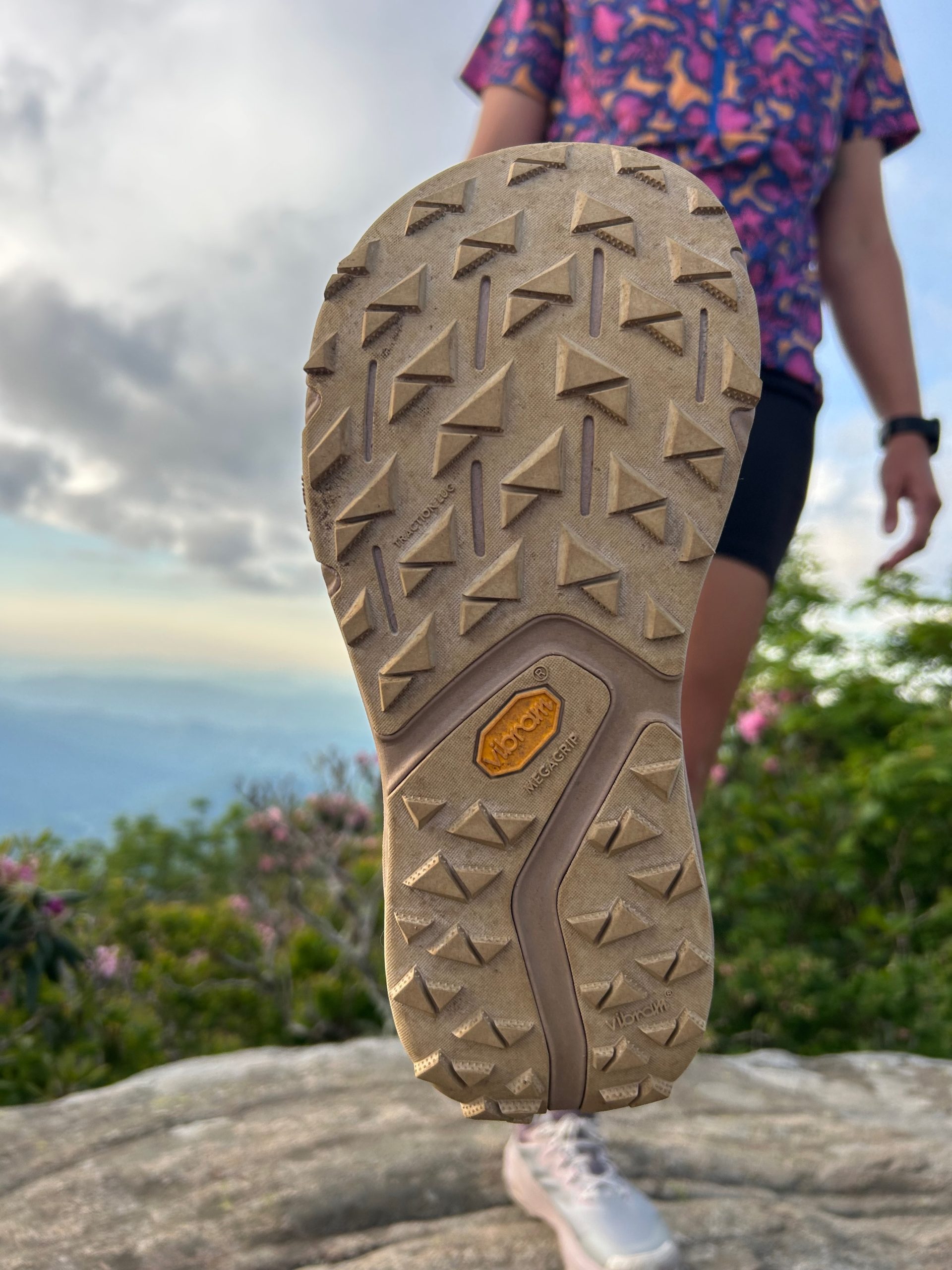
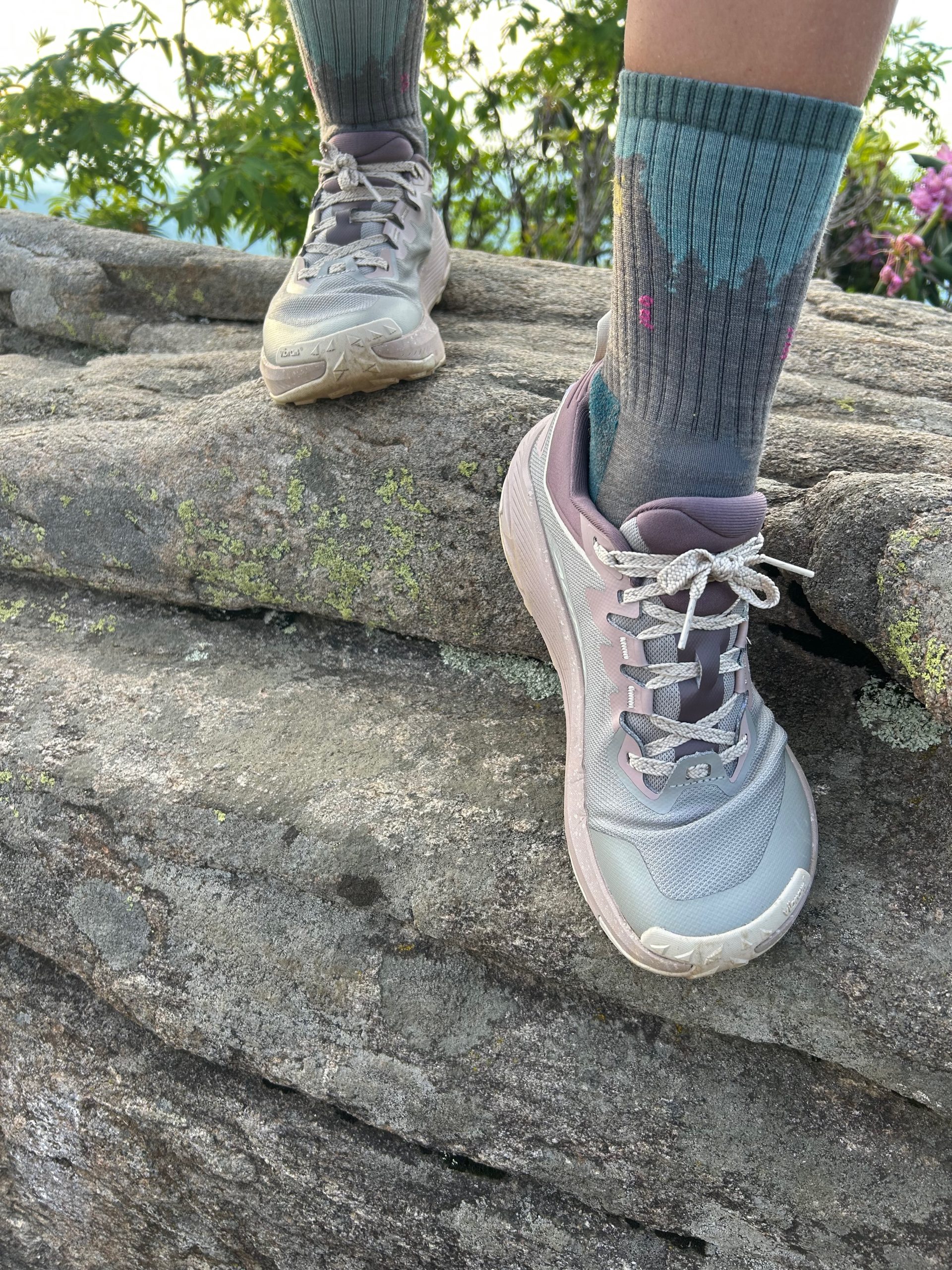
One of the biggest upgrades from the base-model Experience Wild 3 to the 3+ is the Vibram Megagrip outsole. Vibram is an industry leader in engineering durable rubber compounds, and Megagrip is designed to provide reliable traction on challenging terrain. The addition of Traction Lugs and an integrated toe bumper is intended to improve grip and protection, helping you scramble confidently across wet or dry surfaces.
Standard Footshape
Altra is known for its FootShape design, which features a wider toe box that allows your toes to splay naturally instead of feeling cramped in a narrow, pointed shoe. Altra offers three FootShape Fits: Original, Standard, and Racing. The Experience Wild 3+ falls into the Standard category, which Altra describes as providing room for your toes while maintaining a secure fit through the midfoot.
Built-In GaiterTrap
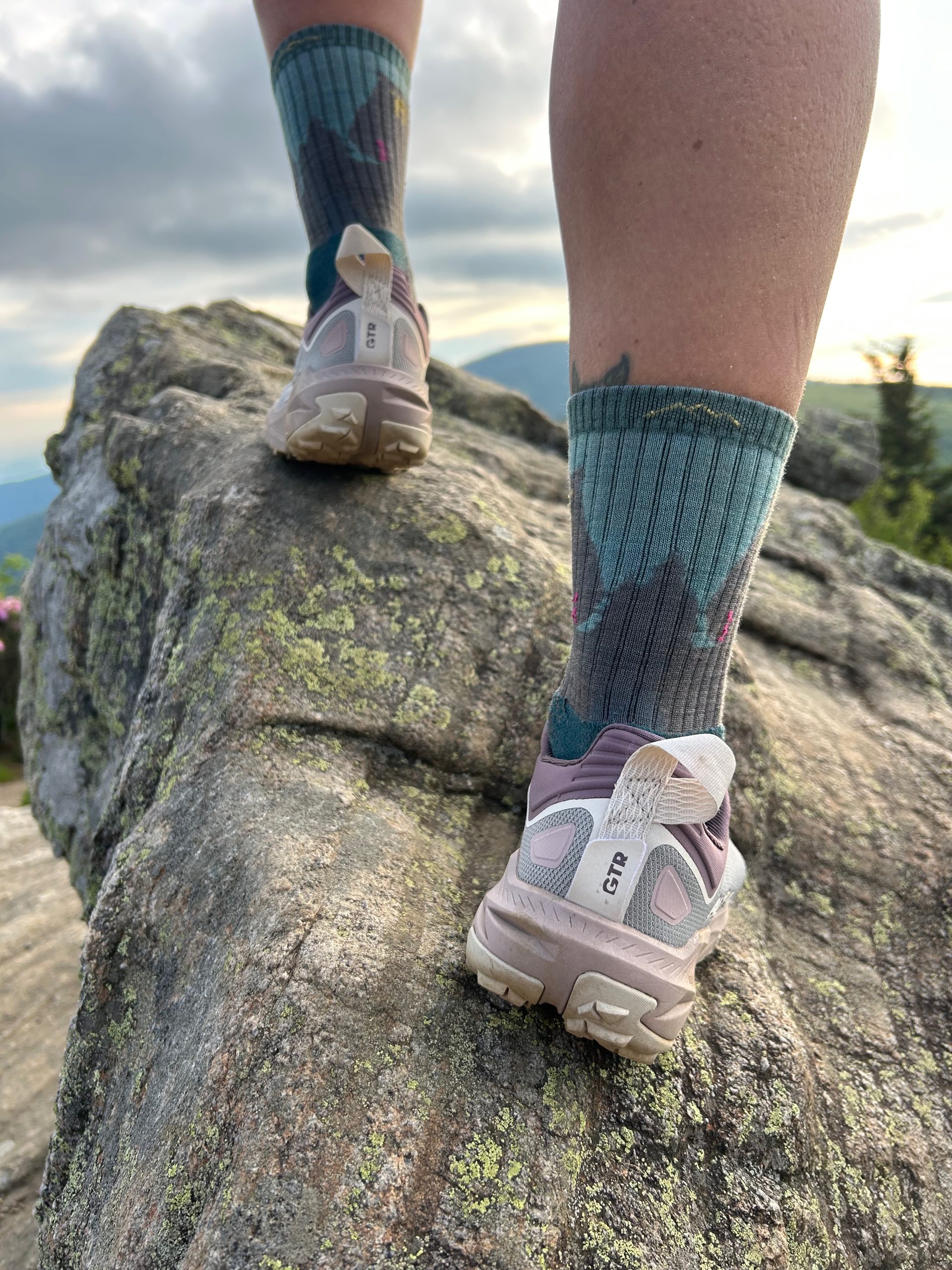
Many hikers wear gaiters to keep small rocks, twigs, and other debris out of their shoes. The integrated GaiterTrap makes attaching a gaiter easy right out of the box. There’s no need to superglue Velcro to the back of your shoe or fuss with how to attach the gaiter to your laces.
Altra Experience Wild 3+ Pros
Rocker Kept Me Rocking
I was concerned about noticing a difference when transitioning from a true zero-drop shoe to a low-drop model. 4 mm doesn’t seem like much, but I wasn’t sure how my calves and Achilles tendons would feel.
Honestly, I barely noticed the difference, aside from the sensation that the shoe was gently propelling me forward. It had been a while since I’d worn a shoe with a rocker, but the slightly elevated heel made me feel poised for my next step, ready to push off with my toes. I’m happy to report that I didn’t experience any unusual or uncomfortable tendon pain. That’s something more common when switching to zero-drop shoes rather than going in the opposite direction.
Light and Responsive
I really appreciated how lightweight these shoes felt. At 3.5 oz lighter than the Olympus 7, the difference was noticeable, especially when trail running. The Experience Wild 3+ weighs about the same as the Lone Peak, and I felt lighter on my feet compared to the bulky Olympus. Sometimes, wearing the Olympus feels like I’m running around in clown shoes! That wasn’t at all how these shoes felt.
The new Altra EGO P35 foam felt bouncy and provided ample cushioning without feeling cumbersome. The modest stack height offered plenty of support, but I never felt like I was wearing high heels or had lost my connection to the ground beneath my feet.
Excellent Traction
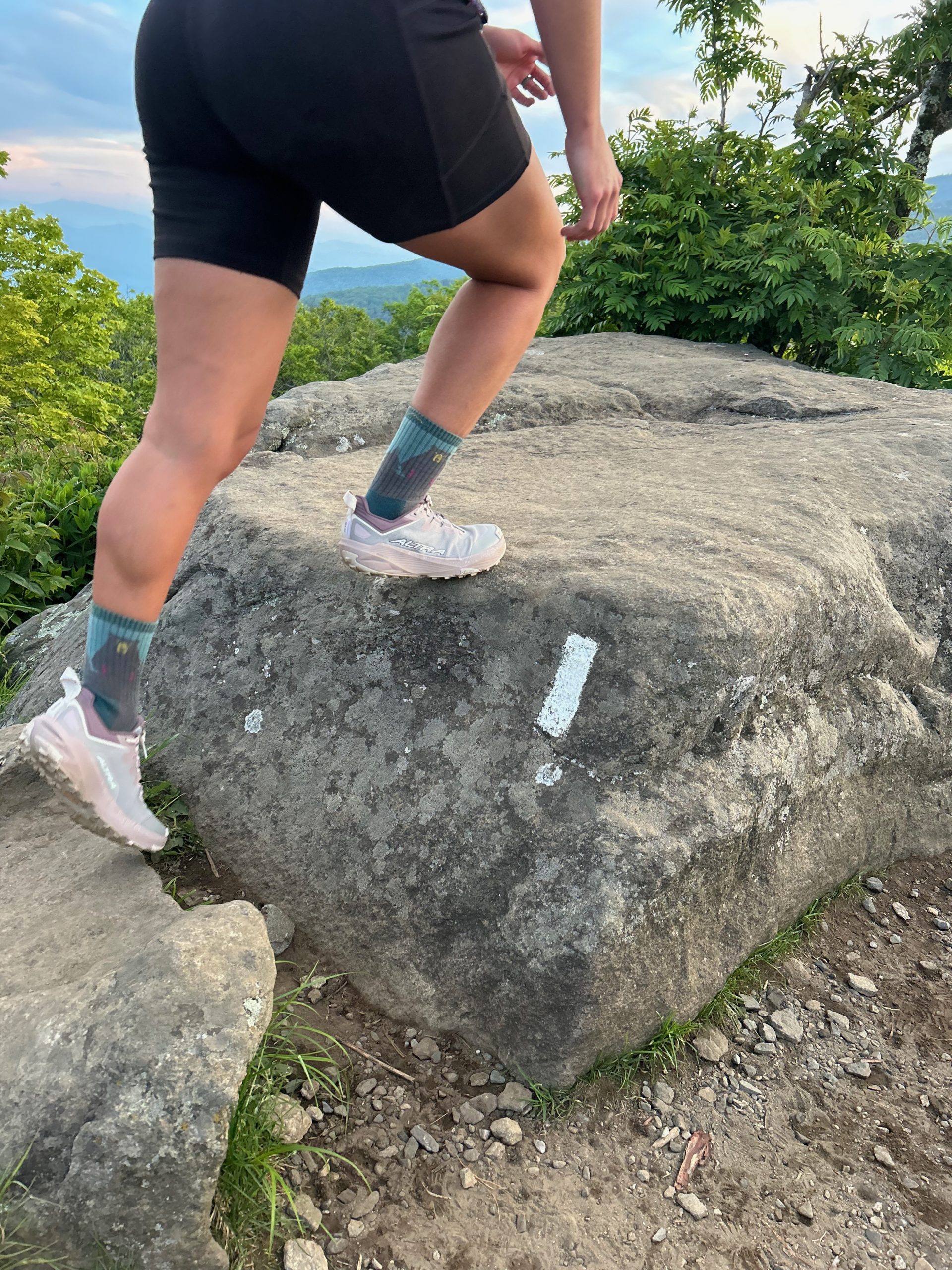
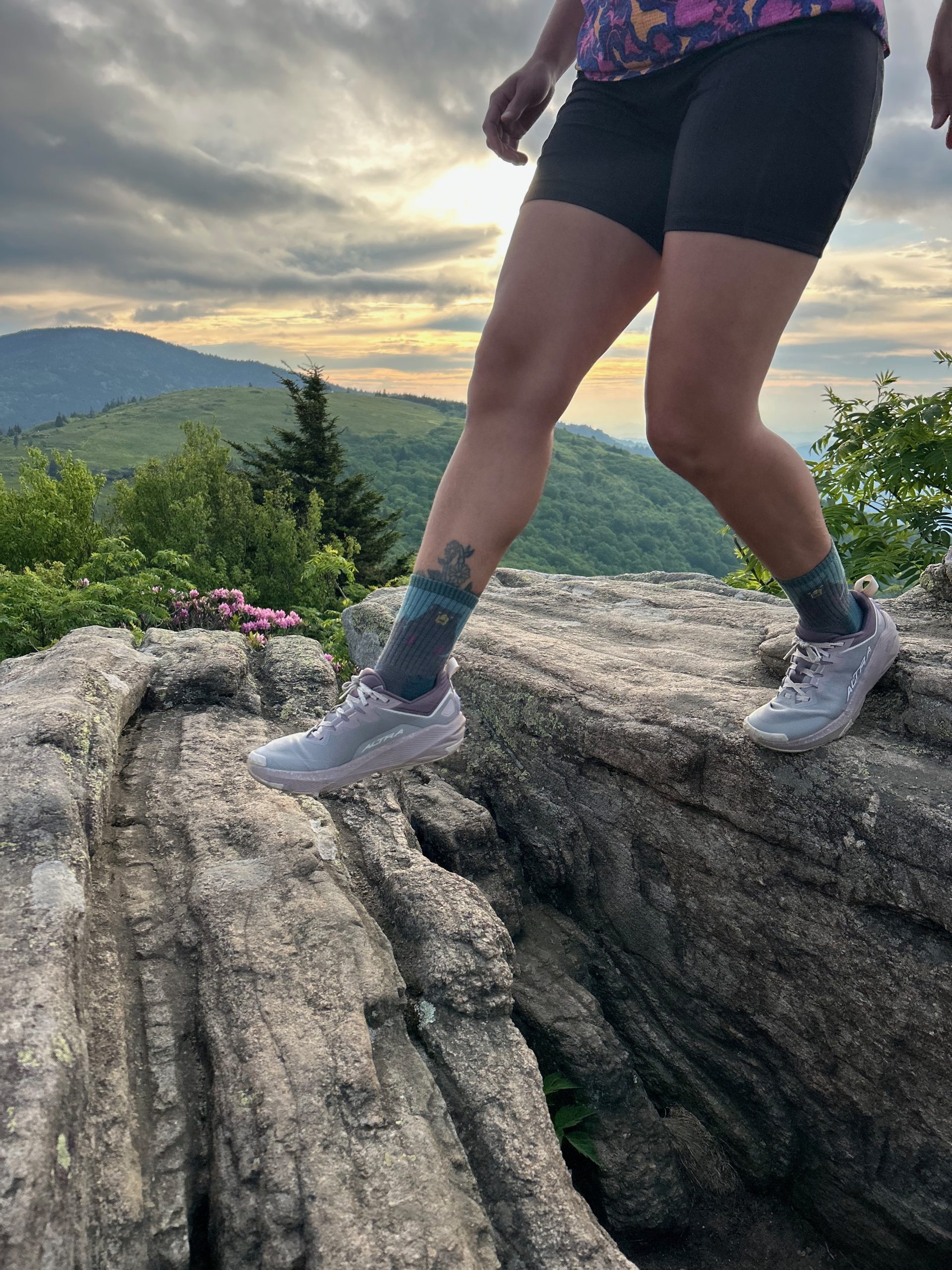
Hiking in the southern Appalachians almost guarantees wet and muddy conditions, with plenty of opportunities to get your feet wet during water crossings. In the Experience Wild 3+, I confidently bounded across slick rocks and wet roots. The Vibram outsole did its job well, gripping whatever terrain I encountered.
The large traction lugs also added stability and support, and I liked how aggressive the traction felt on the trail. For an extra $15 over the base model, I think the Vibram Megagrip outsole is worth the upgrade from MaxTrac.
No Modifications Needed
Two thoughtful features make these shoes ready for the trail straight out of the box: the built-in GaiterTrap and appropriately sized shoelaces.
It may seem silly, but I’ve found the laces on some other Altra models to be too short. When I wear my shoes a little looser instead of cinching them down tightly, I barely have enough lace to double-knot them. That wasn’t a problem with the Experience Wild 3+.
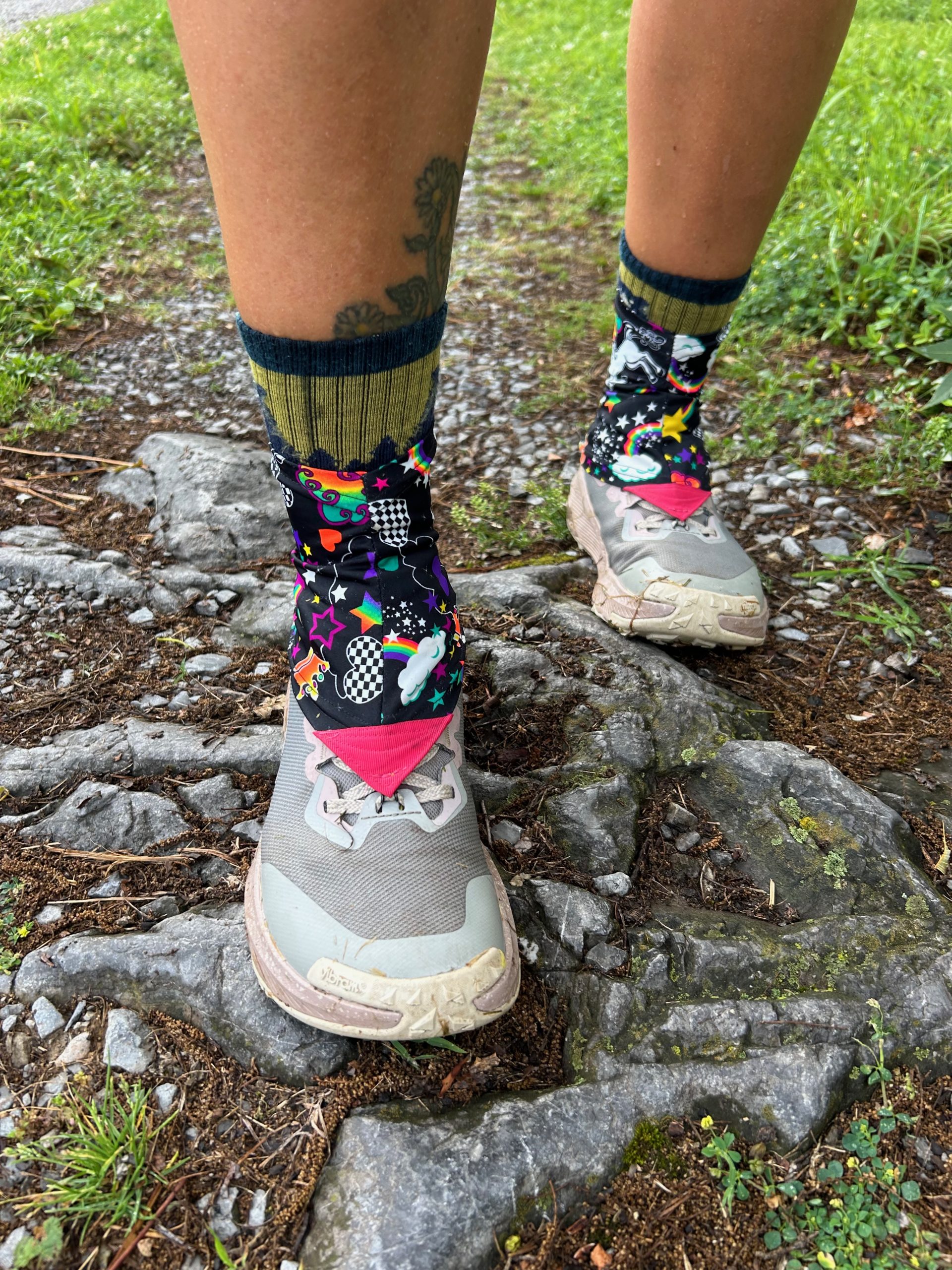
I also love the GaiterTrap. I don’t have to fuss with the attachment kits that come with many gaiters, and I can get out on the trail without making any modifications to my shoes.
Altra Experience Wild 3+ Cons
Tired Feet After Long Days
Most thru-hikers are no strangers to 20+ mile days. In the Experience Wild 3+, my feet started feeling fatigued after about 15 miles. I chalk this up to the moderate cushioning, especially since I’m used to the high cushioning of the Olympus. I didn’t initially notice rocks and roots underfoot while hiking and running, but my feet started feeling tender as I pushed towards the 20-mile mark. I wore them for my 50K on the Bartram Trail, and my feet were hurting by the finish.
I think this could be a common complaint with shoes that have low-to-moderate cushioning, including the Experience Wild and Lone Peak lines. It’s worth noting — especially for thru-hikers, who spend 12+ hours a day on their feet.
Potential Areas for Rubbing and Irritation
During the months I wore the Experience Wild 3+, I didn’t have any problems with blisters. It wasn’t until my ultramarathon that I developed a gnarly heel blister. I suspect this had more to do with the pace and demanding terrain of the course than the shoes themselves, but it’s worth mentioning.
I do think these shoes fit true to size, so I wouldn’t necessarily recommend sizing up from the start. However, if you’re prone to blisters, especially around your heels, it may be worth considering a half size up. This is particularly important if you plan to spend a lot of time hiking on steep trails.
Final Thoughts
I was honestly really impressed with these shoes! After putting hundreds of miles on them, I didn’t find many glaring flaws or features that got on my nerves. They were mostly comfortable, durable, and worked well for me. The pros certainly outweighed the cons, making the Experience Wild 3+ a solid choice for hikers.
I expect this shoe will continue gaining popularity, especially among hikers who haven’t worn zero-drop shoes before. When I transitioned from boots to trail runners, I worried I’d experience the growing pains that can come with switching footwear. The Experience Wild 3+ could be a great gateway to low-drop and zero-drop shoes, and I think Altra is onto something with this design.
Comparable Shoes
Topo Athletic Mtn Racer 4
- MSRP: $155 USD
- Weight: 8.5 oz (women’s 7)
- Cushioning: High
- Heel-to-Toe Drop: 5 mm
- Stack Height: 33 mm (heel) x 28 mm (forefoot)
Mount to Coast T1
- MSRP: $180 USD
- Weight: 9 oz (men’s 9)
- Cushioning: Balanced-Plush
- Heel-to-Toe Drop: 4 mm
- Stack Height: 36 mm (heel) x 32 mm (forefoot)
Hoka Torrent 5
- MSRP: $130 USD
- Weight: 8.1 oz
- Cushioning: Balanced
- Heel-to-Toe Drop: 5 mm
- Stack Height: 38 mm (heel) x 33 mm (forefoot)
The Altra Experience Wild 3+ was donated for purpose of review


Leave a Reply